
Before drawing another flash piece, take a closer look at a mug
An observational drawing exercise to study proportion, look more carefully and bring a sharper question back to your tattoo designs.
A mug can teach you something about tattoo drawing
You open your sketchbook to design a flash piece and return to the same saved image on your phone. Before searching for another reference, try putting a mug on the table. It may seem unrelated, but it raises specific questions: how far does the rim tilt, where does the handle begin, and what shape is the gap between them?
For anyone starting to draw for tattooing, we suggest a short observational session on paper. The aim is to practise comparing shapes without expecting every page to become a finished tattoo design.
Drawing is also a way to investigate
The National Portrait Gallery explains that artists draw to test materials, explore ideas and prepare other works. Its educational resource encourages sketchbook experiments and notes on what you learn. A page can be useful without being a finished piece.
Choose something you can keep looking at
Place the mug at a comfortable distance and keep your viewpoint steady. Use a pencil or pen you already own. For this exercise, avoid starting with an object covered in lettering: the logo may end up taking all your attention.
Before making a mark, compare the overall height and width. Then follow the outer edge and the opening inside the handle with your eyes. If that opening looks more like a tilted triangle than a circle, you already have a specific observation to put on the page.
Look at the object as well as the page
In Foundation Drawing for Art 1100, Amy Haney suggests drawing everyday objects from observation, paying attention to overlaps, light and placement. Her exercises include contour drawing and using the spaces around forms to study proportion. These are drawing education tools, not instructions for operating a tattoo machine.
Three passes, each with a different question
Set aside around twenty minutes if that suits you. This is a suggested way to organise the session, not a test of ability. Change the question for each pass while keeping the object and viewpoint the same.
- First pass: draw only the outline and the gap inside the handle. Leave patterns and shading until later.
- Second pass: begin again and compare three relationships: height to width, handle size and the opening at the top.
- Third pass: add only the shadows that help explain the volume. Stop before shading simply to fill the page.
What an unfinished page can show you
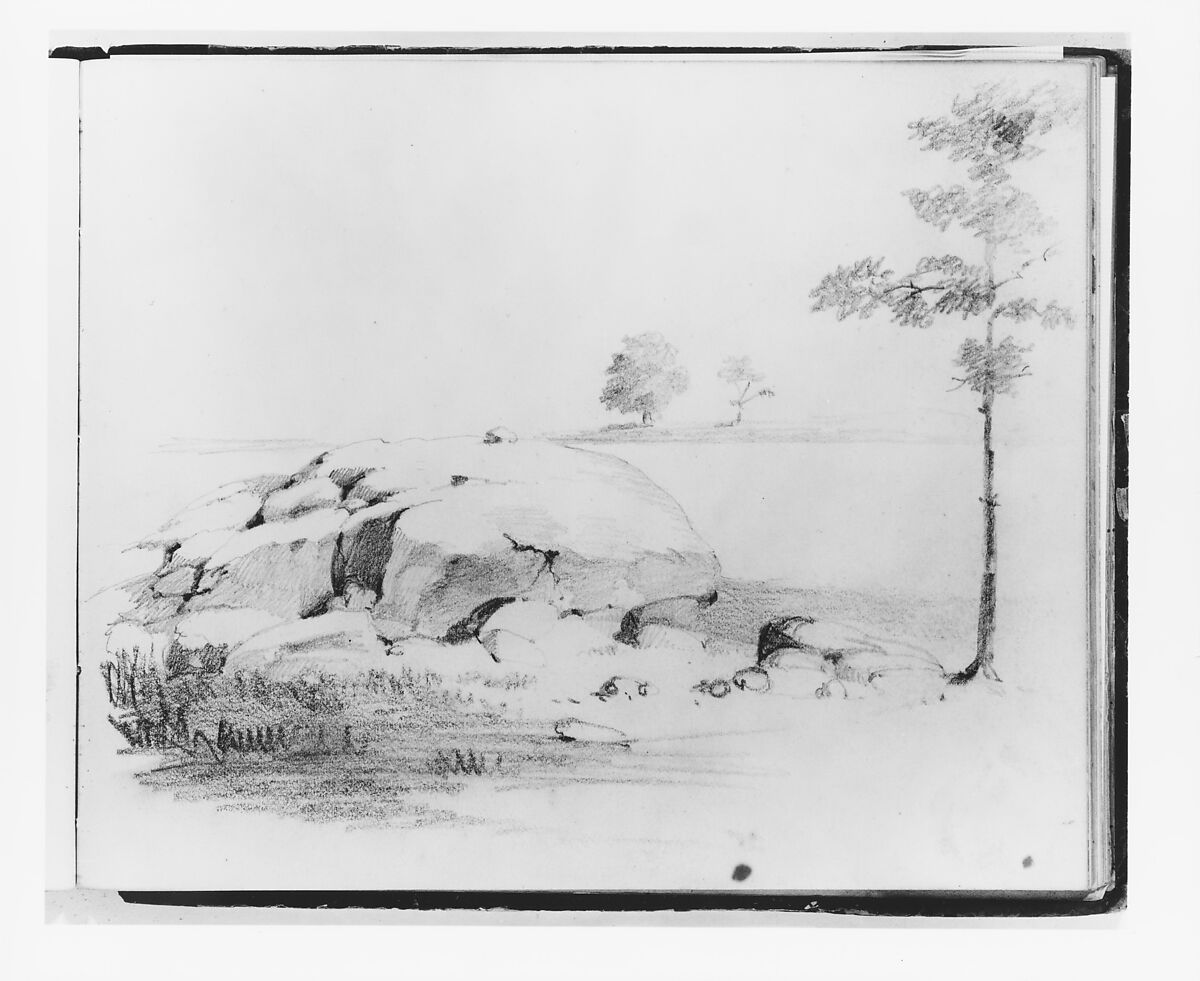
From the landscape back to your mug
In the image, try following the edges of the rocks before examining the small marks in the foliage. Then notice how much paper is left untouched. You can read your own exercise in the same order: outline, relationships and finally details.
After the three passes, write one observation you can check. “I made the handle too large” gives you more direction than “I am bad at this”. Keep the pages together. If you draw the object again another day, you will have something concrete to compare instead of relying on memory.
Return to your flash with a new question
Now return to your tattoo drawing. Check one size relationship or a gap between shapes that you previously drew out of habit. The mug does not have to appear in the design; the useful thing to bring back is the way you observed it.
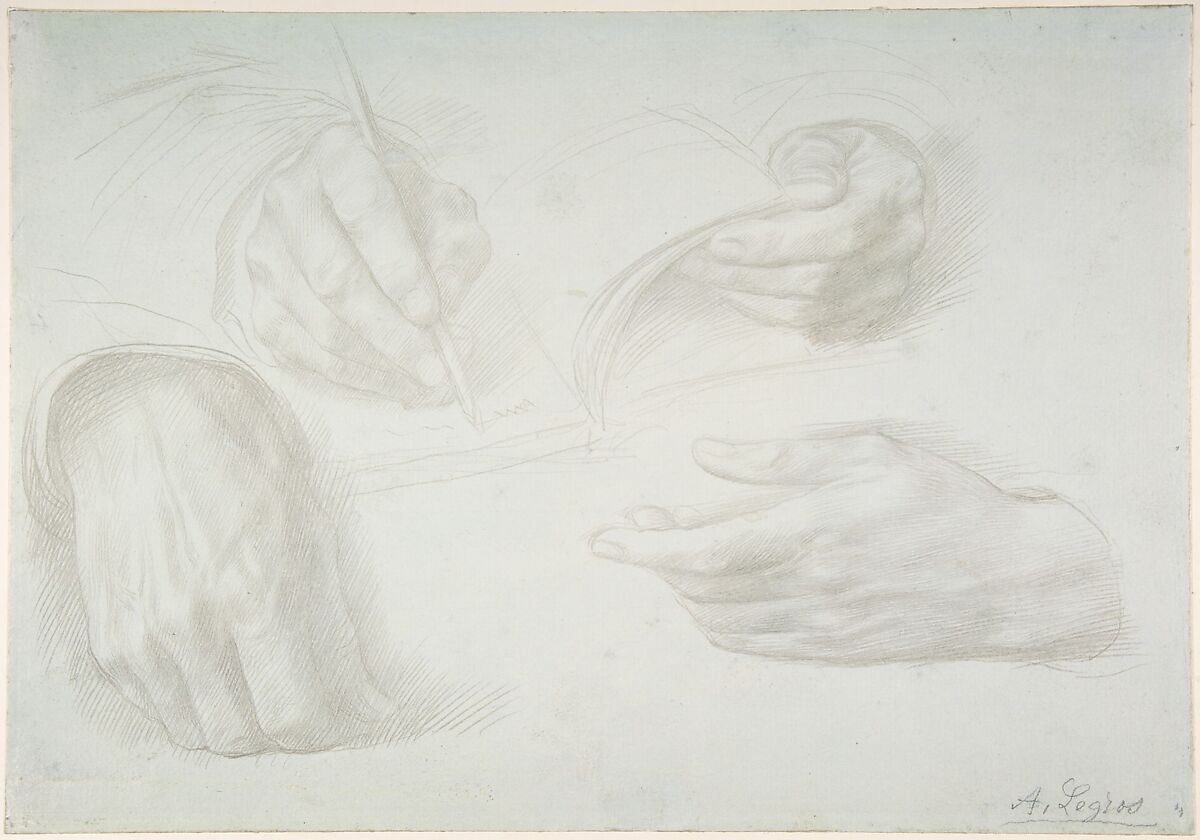
For a different challenge, try your own hand in a simple position and study its joints and changes of direction. The cover brings together historical hand studies by Alphonse Legros. Treat them as examples of attention to form, rather than a standard you must match today.
Sources and editorial notes
- National Portrait Gallery · Drawing techniques and materials
- Amy Haney · Foundation Drawing for Art 1100, Chapter 2
- The Met · Francis William Edmonds, Landscape with Rocks and Trees
- The Met · Alphonse Legros, Studies of Hands
Manufacturer and organiser facts are linked above. Our selection and reading advice expresses TattooXpert’s editorial judgement.
Our editorial methodKEEP EXPLORING.
How to improve your tattoo drawings with useful feedback
Ask for useful feedback on tattoo drawings: focus the question, separate observation from taste and turn a comment into a test.
TattooXpert
Tattoo lettering: how to give a word shape and rhythm
Explore tattoo lettering through shape, rhythm and spacing, with exercises for developing your own word compositions.
TattooXpert