
From copying documents to tattooing: the story connecting Edison and O’Reilly
Patents from 1876 and 1891 reveal an unexpected adaptation. The original documents help explain a chapter of tattoo culture without reducing it to a single-inventor legend.
The clue is on paper
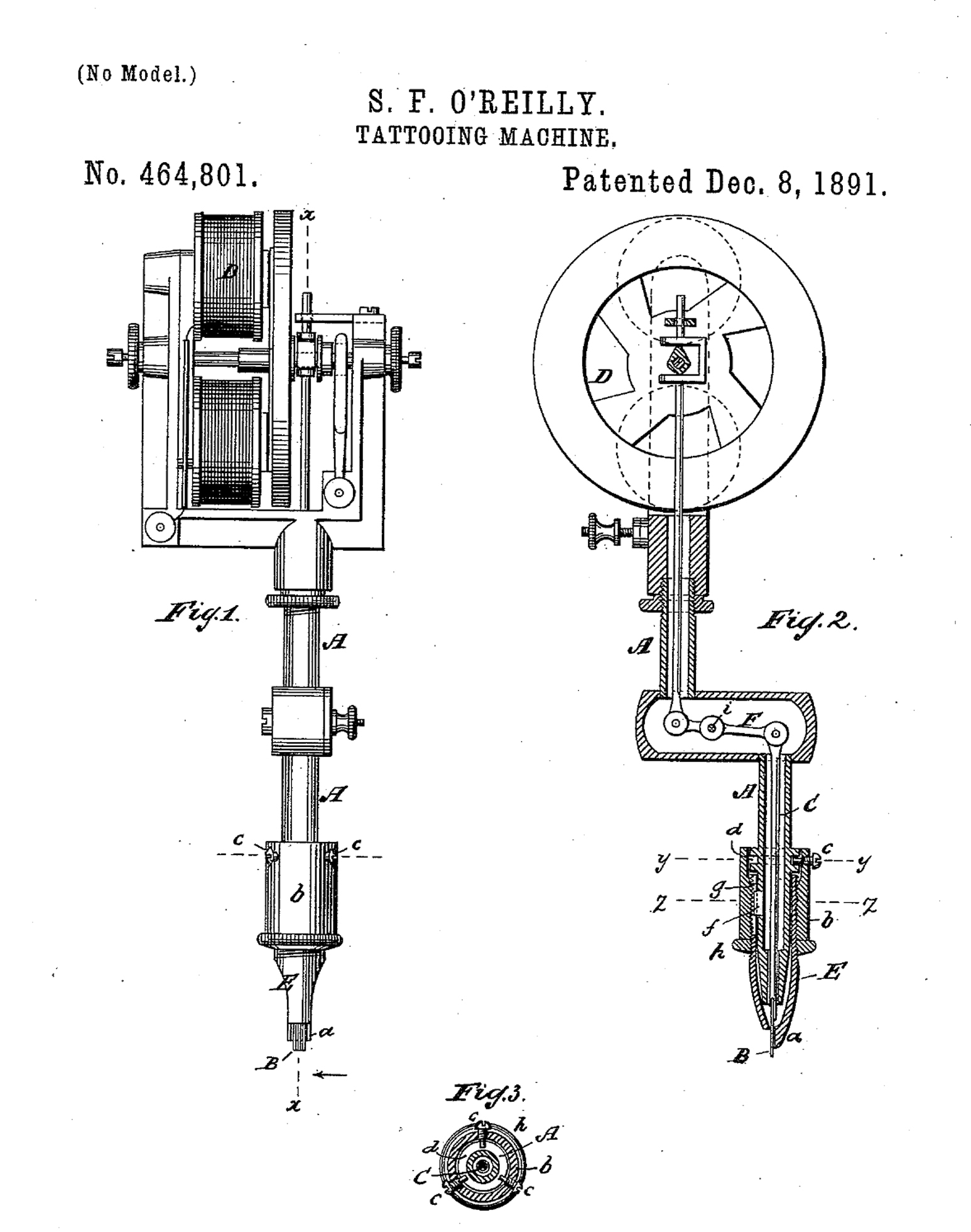
Open an old drawing of a tattoo machine and something looks familiar: a long grip, a mechanism above it and a moving part running through the centre. It seems like the perfect place to ask who invented what. The story becomes more interesting when, instead of starting with a current brand or model, you put two historical documents side by side.
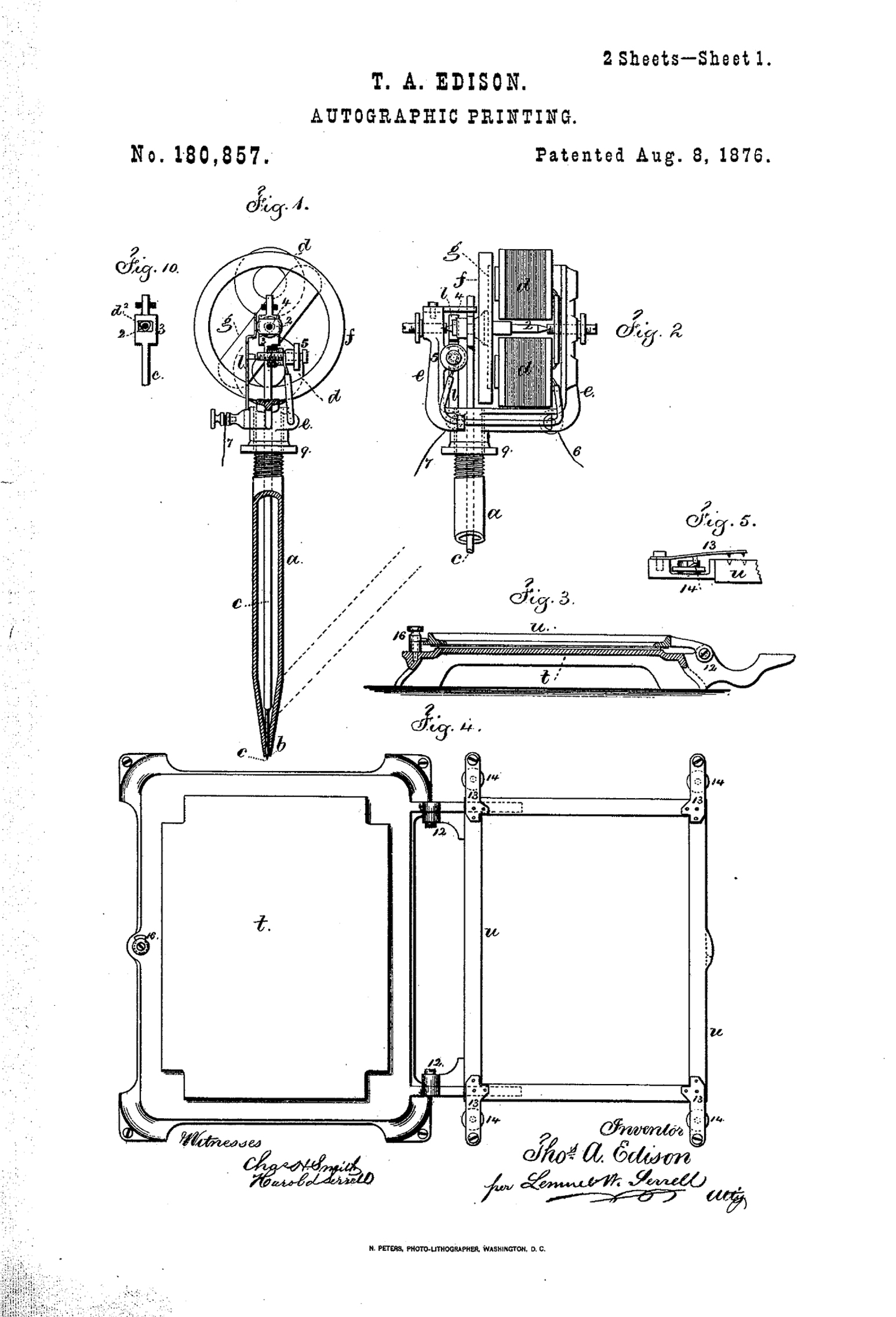
1876: copying without writing it all again
1891: the adaptation is on record
Fifteen years later, Samuel F. O’Reilly appears on patent 464,801, granted on 8 December 1891. Titled Tattooing Machine, it describes a tubular handle, an electric motor and an ink reservoir. The application had been filed on 16 July.
Ink is now part of the instrument itself. The text describes a combination intended for tattooing, rather than the sequence of perforating a stencil and taking it to a press. That change of purpose is worth looking for when comparing the two sheets.
The connection is real; the story needs nuance
The Smithsonian connects O’Reilly’s patented machine with an adaptation of Edison’s electric pen. The Science Museum adds an important qualification: electrical proposals and uses preceded the 1891 patent. Treating that document as the moment somebody invented electric tattooing, with no earlier developments, therefore makes the history too neat.
Two documents, two problems to solve
This comparison summarises what the patents describe. It helps identify their purpose, rather than compare their performance with present-day equipment.
| What to check | Edison · 1876 | O’Reilly · 1891 |
|---|---|---|
| Stated purpose | Reproduce writing and drawings. | Carry out tattooing. |
| The role of ink | Passes through a perforated stencil during printing. | Sits in a reservoir integrated into the instrument. |
| What the record shows | A pen-and-press system. | A combination of handle, motor and reservoir. |
What a patent cannot tell us on its own
A useful reading separates the design described from the life it may have had in a studio. Claims about sales, popularity, learning or working experience would need other evidence: correspondence, advertisements, testimony or surviving objects. A technical drawing cannot stand in for those voices.
You do not need to interpret every screw to enjoy the archive. Start with the title, date and intended purpose. Then return to the picture and look for the parts that serve that purpose. This small habit makes an adaptation easier to understand than a timeline of famous names.
A story that still belongs to the craft
For someone beginning to explore tattooing, these sheets offer a chance to see how an idea changes when its user’s needs change. Technology has a history, but drawings, people and their decisions deserve just as much attention.
Next time you read “the first machine”, add a question: the first patent, the first documented use or the first commercial model? The answer may open up a much better story than the slogan.
Sources and editorial notes
- Thomas A. Edison — US180857A, Autographic Printing (1876)
- Samuel F. O’Reilly — US464801A, Tattooing Machine (1891)
- Smithsonian Lemelson Center — What’s Edison Got to Do with Tattoos?
- Science Museum — Thomas Edison’s Electric Pen
Manufacturer and organiser facts are linked above. Our selection and reading advice expresses TattooXpert’s editorial judgement.
Our editorial methodKEEP EXPLORING.
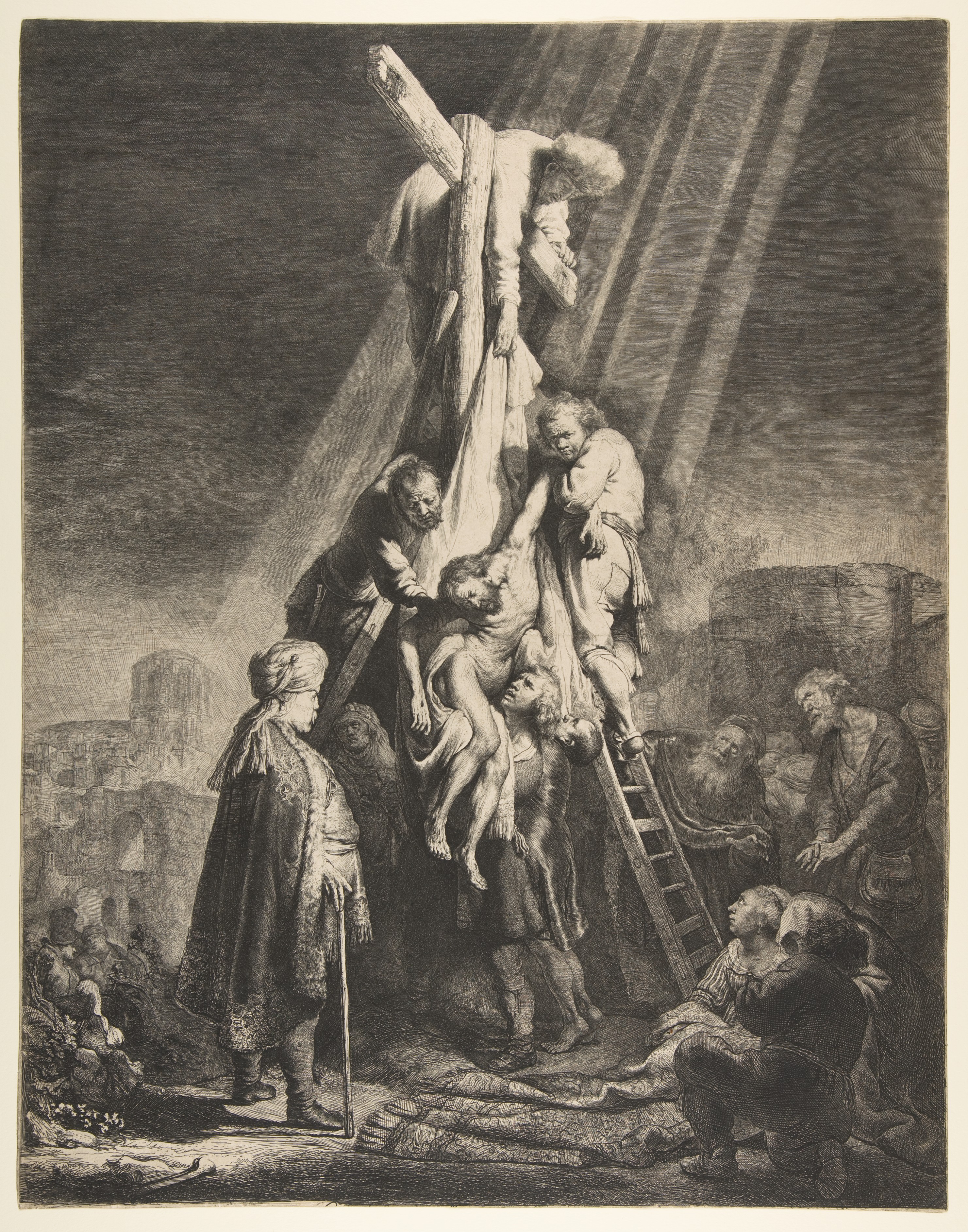
Rembrandt returns to the tattoo studio as Amsterdam’s museum brings art and craft together
An encounter in Amsterdam invites a closer look at how an image made for paper is interpreted on the body.
TattooXpert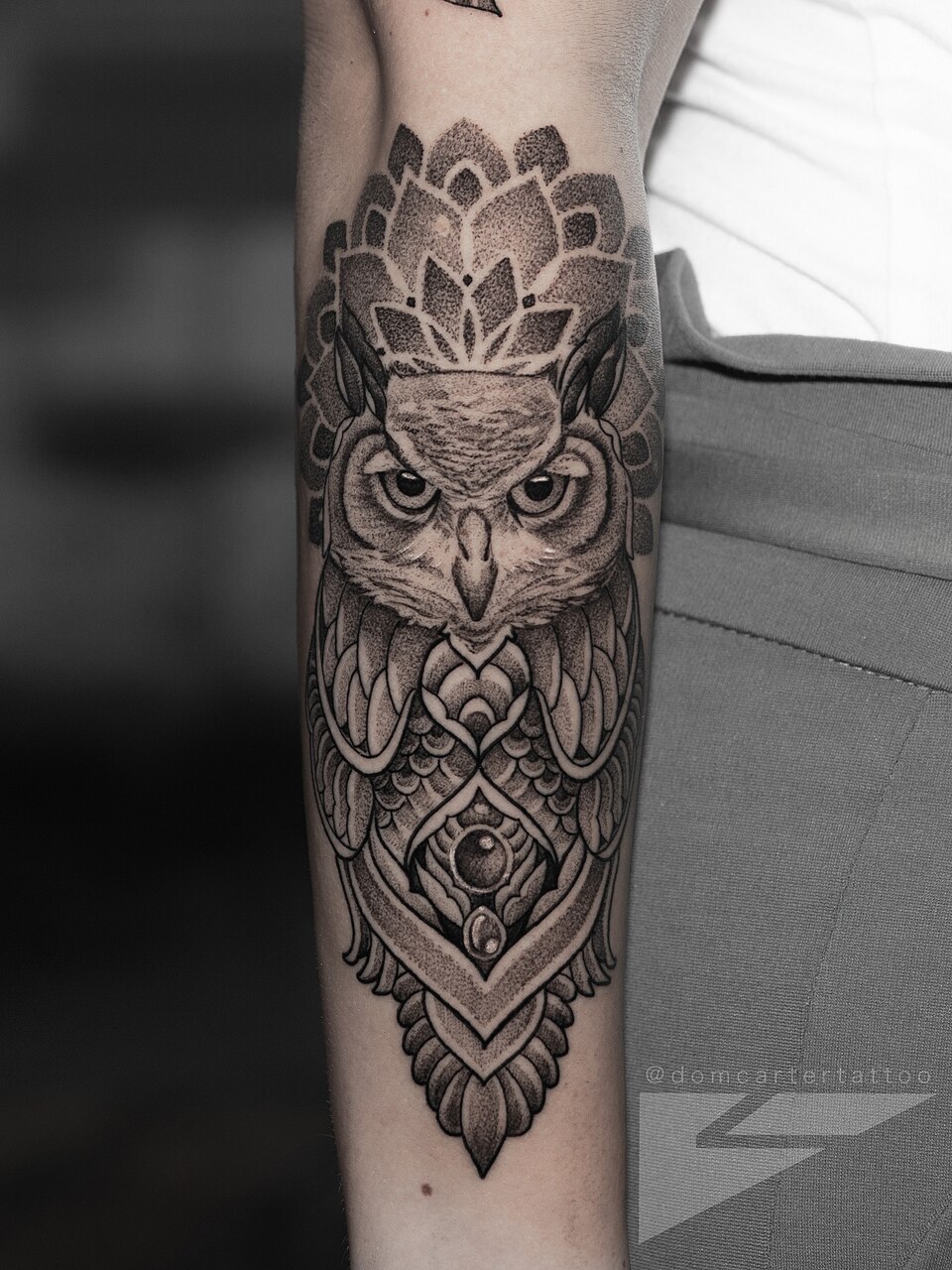
Blackwork: learning to draw the space you leave untouched
Black catches the eye; the space around it makes the composition work. Explore history, artists and four real photographs before taking those ideas into your sketchbook.
TattooXpert