
Nine Brandon studios warn about AI-altered tattoo portfolios
CBC reports allegations from Manitoba tattoo studios that altered images exaggerate skills and attract paying apprentices. The central question is what real work a portfolio demonstrates.
A warning that concerns apprentices too
Nine tattoo studios in Brandon, Manitoba, have issued a joint statement opposing AI-generated or altered images used to exaggerate skills and attract clients and paying apprentices. The statement is reported in a story by Chelsea Kemp published by CBC on November 18, 2026.
The report includes comments from TJ VanStone of Laughing Crow Tattoo Custom Tattooing, who calls for transparency about the work artists actually produce. These are allegations and accounts reported by CBC. This article does not turn them into independently established findings of fraud or identify accused studios.
A visual idea is not evidence of a completed tattoo
CBC also reports concerns from Haylee Janai of Ward's Tattoo Shop about misleading representations of artists' work. Janai raises the possibility of shared standards for how portfolios and advertising are presented.
In his comments, Cameron Boult, a Brandon University professor who teaches AI ethics, distinguishes exploring creative tools from altering images to misrepresent ability or the finished result. That discussion is not a blanket prohibition on AI. The report also does not announce a new rule adopted in response to the studios' statement.
What to ask before choosing a mentor
For someone starting out, our suggestion is a specific check: ask which images are drawings, which are digital proposals and which document tattoos completed by the person offering the training. An appealing image can communicate an idea without demonstrating that someone can execute it.
Where photographs are offered as evidence of work, ask for context: authorship, when the image was taken and an explanation of any alterations. If fresh and healed photographs are compared, it matters that they show the same piece. An original file can provide context, but cannot by itself guarantee that an entire presentation is authentic. The conversation should clarify what the images are being used to claim.
Transparency belongs in your own portfolio
Our editorial view is that completed work, drawing studies and visualisations should be clearly distinguished. Apprentices do not need to imply a career they have not yet built. An honest selection makes it easier to discuss what they can do and what they want to learn.
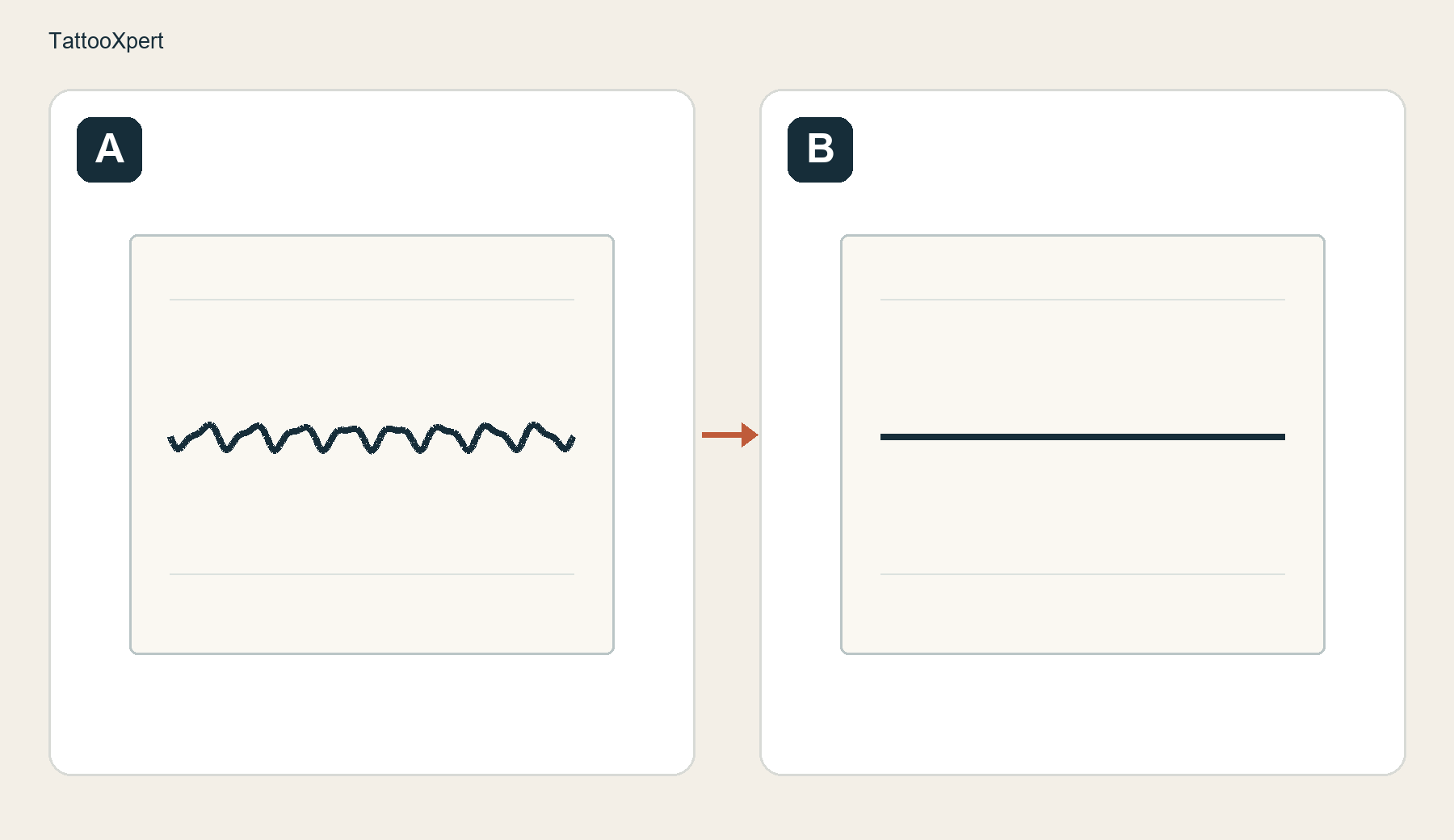
The illustration accompanying this story compares two invented versions of a line on paper. It is labelled as a diagram and does not document any Brandon studio. It explains why changing the shape of a line changes what an image appears to demonstrate. It is not a supposedly foolproof method for identifying AI through visual flaws.
What remains unverified
Our source is CBC's original report and its attributed interviews. We have not independently verified the incidents described, and we are not reproducing the outlet's photographs. That distinction matters before turning a local allegation into a claim about the whole industry.
A useful portfolio question remains: which part of this image represents the work being claimed as the artist's own? Asking for clarity about that relationship is more useful than deciding whether something looks “too perfect”. To prepare your own selection, continue with our guides to faithful tattoo photography and apprenticeship portfolios.
Sources and editorial notes
Manufacturer and organiser facts are linked above. Our selection and reading advice expresses TattooXpert’s editorial judgement.
Our editorial methodKEEP EXPLORING.
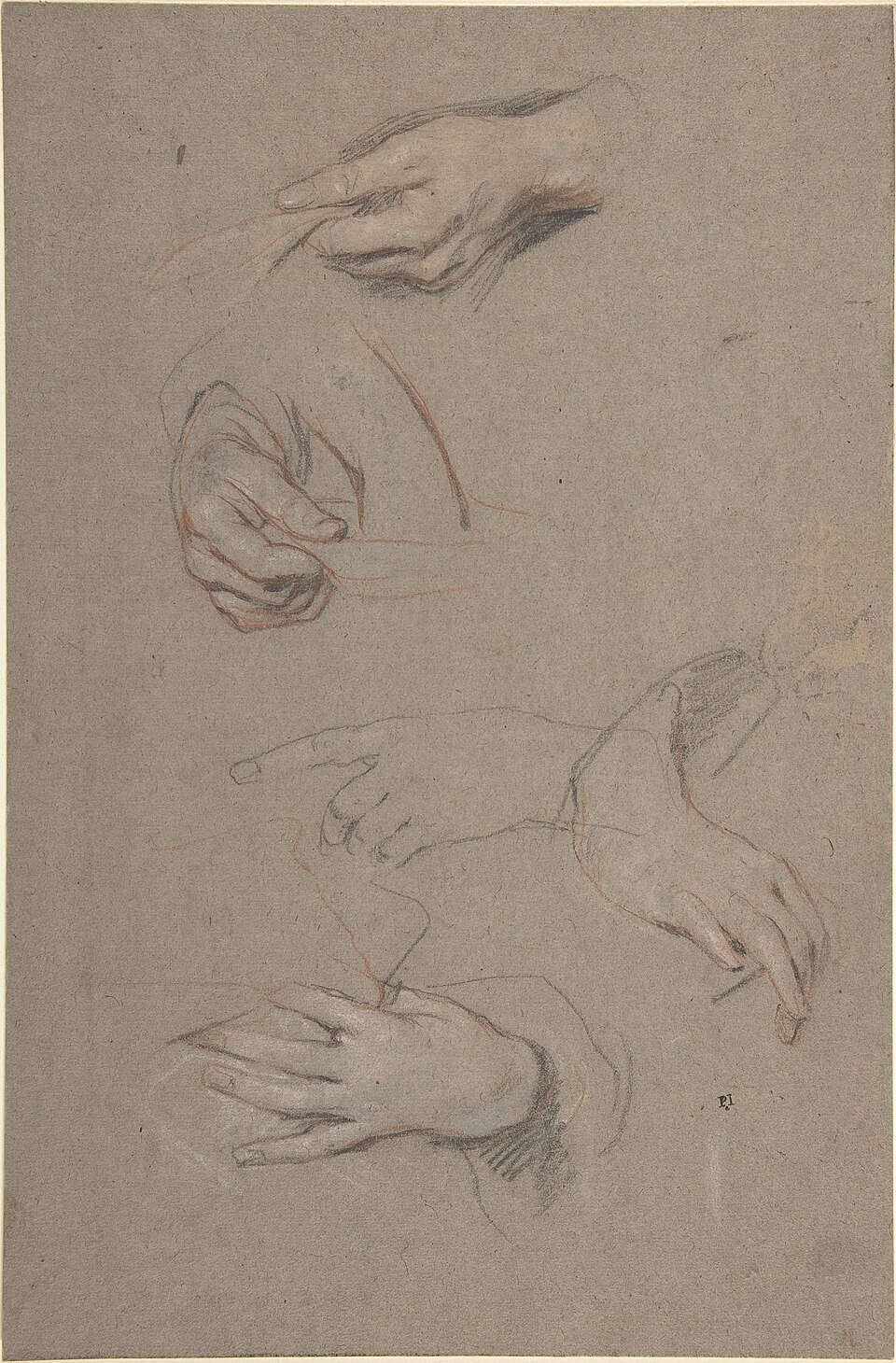
Tattoo apprenticeship portfolio: what to include and how to arrange it
Build a tattoo apprenticeship portfolio: select your drawings, show your process and arrange the pages before approaching a studio.
TattooXpert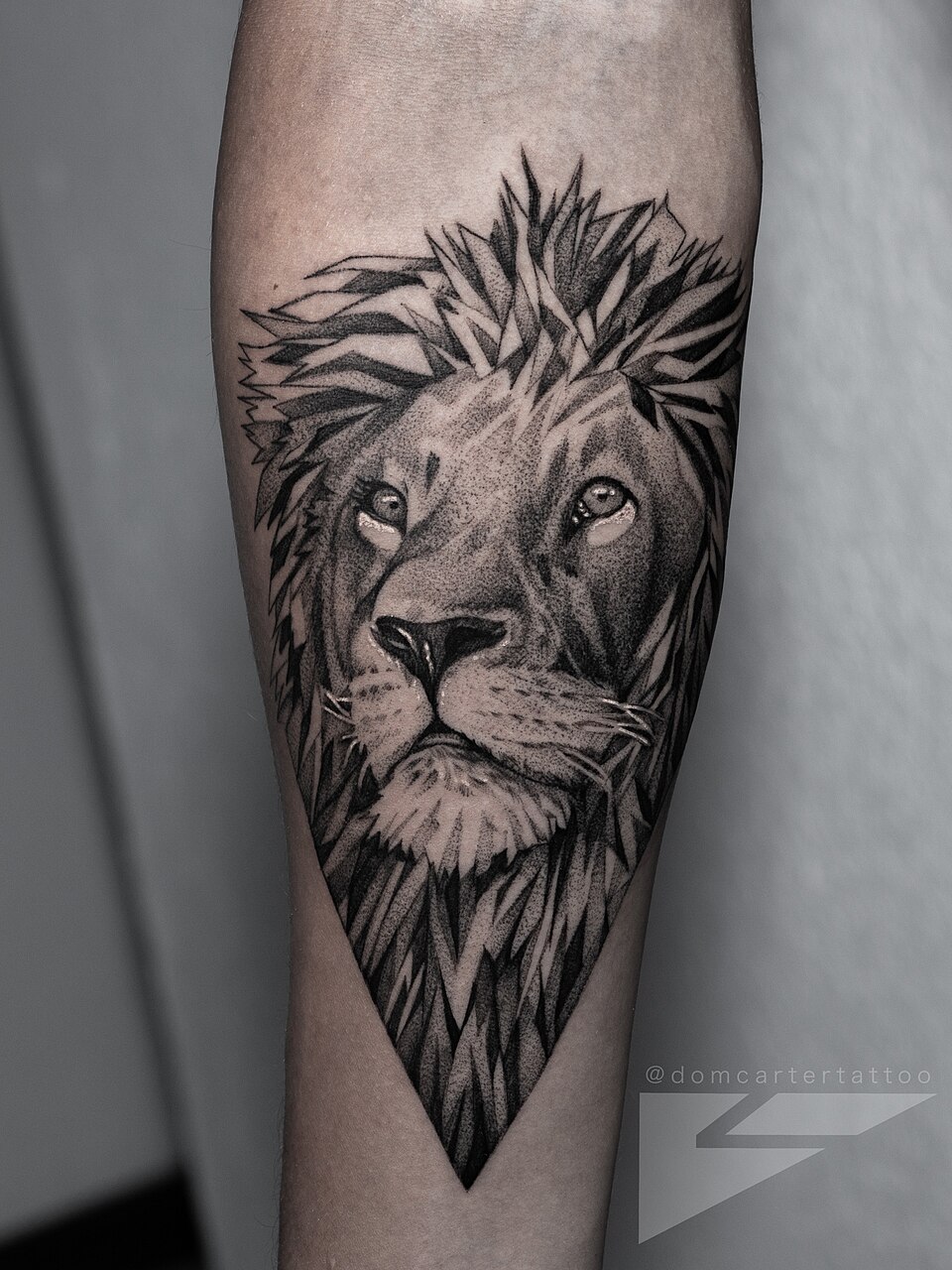
How to photograph tattoos with your phone without altering the result
Photograph tattoos with your phone: organise the light, check reflections and framing, and keep colour faithful without altering the work.
TattooXpert