
Tattoo stencil placement: why you need to check it off the chair
A stencil can look centred in one position and change when the arm drops. Learn to check size, direction and movement before agreeing on placement.
The drawing works. Now check where it sits
The stencil is on, the transfer looks clear and the drawing seems centred. Then the client stands up, lowers their arm and part of the motif disappears around the side. Is the placement wrong? Not necessarily. First, establish where the design was meant to be read from.
To check tattoo stencil placement, look at the person's usual, comfortable posture, several viewing angles and a natural movement of the area. Then agree on size, direction and visibility together. Zoran Pocrnić of Anubis Tattoo includes these checks in his guide to designing for the body. This article concerns that visual decision, rather than the process of transferring a stencil or tattooing skin.
Before the mirror, decide what needs to be visible
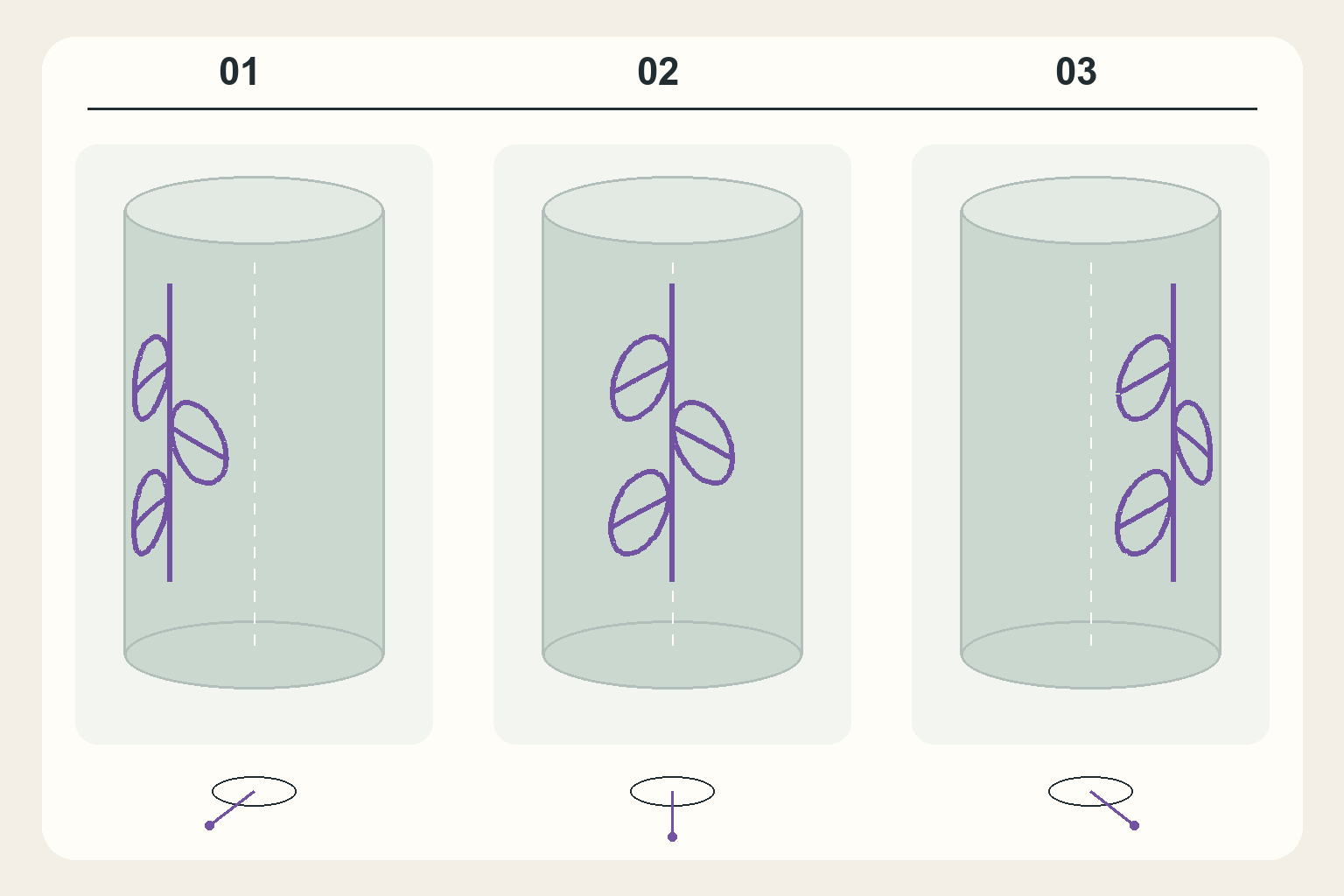
Imagine a branch with three leaves. It could be designed so all three read together from one main view, or so they reveal themselves as you look around the arm. Either approach can work. The problem comes when you plan the second and the client expects the first.
Ask which part of the drawing matters most to them and from which position they want to see it. A wraparound composition will have several important views. A small standalone piece might need its entire subject to sit within one particular view. Your preference should not become a universal rule about which way tattoos must face.
Write down a simple intention: 'The middle leaf should be recognisable with the arm at rest.' This gives you a shared criterion for reviewing the stencil. If the person's expectations are still unclear, return to the design brief before making tiny adjustments without a clear purpose.
A comfortable posture tells you more than a perfect pose
Markus Bergmeister explains that tightening the arm or lifting a shoulder in front of the mirror lets you assess a pose, rather than the relaxed posture he wants to check first. He also distinguishes close inspection from viewing the overall composition at a distance. A photograph can help, although the camera angle affects the impression.
Delorean Tattoo Studio recommends checking the stencil outside the working position and looking at it as the arm moves. These are composition checks, not a promise that the drawing will look identical in every position.
If standing is uncomfortable or inaccessible for the client, adapt the check to their usual, comfortable position. There is no reason to force a posture to obtain an apparently straight photograph. Also check that the mirror and lighting let them see the whole piece without having to hold an artificial pose.
Give each view a different question
The table below divides the review into distinct jobs, so you do not simply repeat the same glance three times. Keep the agreed intention as your reference: there is no single correct front view for every tattoo. Moving closer helps with details; stepping back helps you judge the whole design in relation to its placement.
| What to check | What to check | What it helps you decide |
|---|---|---|
| Agreed view | Can you recognise the main element without arranging a special pose? | Confirm the position or compare another proposal. |
| Side view | Which part falls out of view, and was that intended? | Review the arrangement or accept an intentional wraparound effect. |
| Comfortable movement | What changes as the area moves, and how does the client feel about it? | Clarify expectations without requiring every view to look identical. |
Rotating and shrinking a design solve different problems
A worked example: change one decision at a time
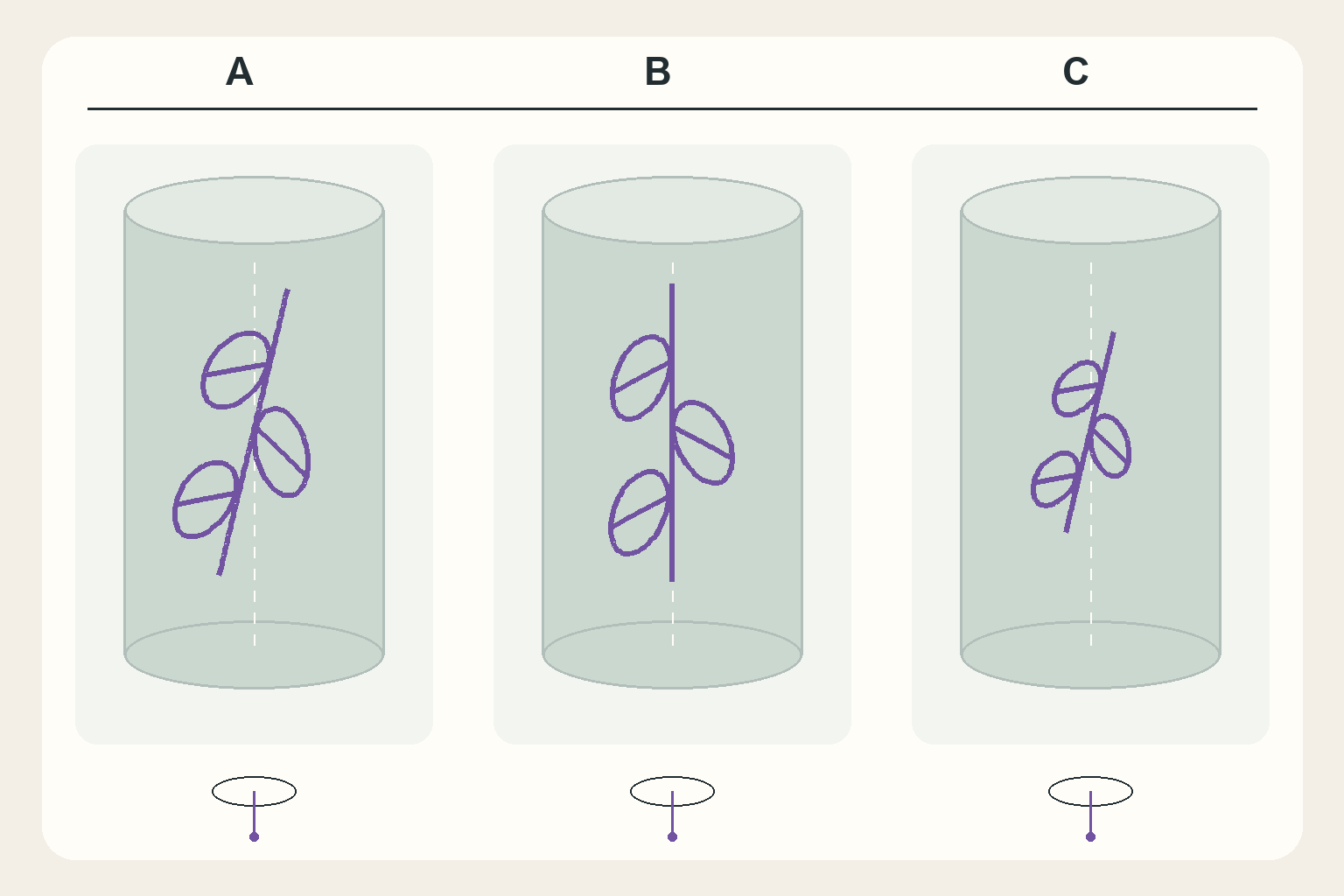
Return to the branch. From the agreed view, the stem is visible, but the leaf the client considers most important is almost hidden around the side. An immediate response might be to print everything smaller. First identify the problem: is there too little room for the whole composition, or is its focal point outside the chosen view?
Compare one proposal that moves the composition with another that rearranges that leaf within the drawing. Hold the other decisions steady while assessing each alternative. That helps you tell whether the improvement comes from position, direction or the drawing itself. Changing size, angle and shape together makes it harder to explain what you have fixed.
Now imagine that every leaf is visible, but the stem points in a direction neither of you intended. The discussion changes: perhaps the orientation needs reviewing, rather than removing detail. These are editorial examples for learning to define a design problem. They are not real client cases or instructions for carrying out a procedure.
A change during movement does not prove a mistake
Pocrnić's guide distinguishes an accidental consequence from an intentional choice. A motif can wrap around an area or depend on a particular angle, provided that reading is part of the project and the client understands it. Bergmeister likewise points out that a moving surface cannot look the same in every posture.
A photograph with the arm turned is therefore insufficient to declare a tattoo crooked. Compare the intended result, the reference posture and the other views. Do not promise an unchanging shape on a moving body.
The purpose of the review is to discover, before starting, which visual changes the person accepts and which would contradict the design you agreed on.
Ask more than 'Happy with that?'
A general question can produce a hurried yes. Try specific questions instead: 'Does this height suit you?', 'Did you want to see this leaf from here?' or 'Do you prefer this direction or the alternative we just compared?' Give the person time to look and raise concerns without feeling they are holding up the appointment.
For lettering, separate placement approval from checking the content. Review the words, dates and agreed reading direction together. A well-positioned design can still contain a spelling mistake. The mirror helps with the overall appearance but does not replace checking the text directly.
If you use photographs to compare options, ask permission and keep posture and framing similar. Do not select only the shot that flatters your preferred option. The photograph supports the discussion; the decision concerns this actual drawing on this particular person.
A short review that makes uncertainty visible
Before confirming, summarise what you have seen together. This list organises the visual discussion; it does not replace professional training, appointment preparation or hygiene controls. If any answer remains unclear, return to that decision before starting.
- The person has seen the whole design in their usual, comfortable posture.
- You have compared the main view and the relevant side views.
- Changes during natural movement are understood.
- Size, height, direction and any wording have been confirmed.
- Outstanding questions have a shared answer before starting.
You should be able to explain the placement
Placement is not settled simply because the transfer came out clean. You should be able to explain why you chose that height, which view organises the design and how it changes when the person moves. If defending the placement requires them to hold an uncomfortable pose indefinitely, something still needs reviewing.
For a beginner, this reasoning is more useful than memorising a supposedly correct direction for every body area. Take a specific question and the alternatives you compared to your mentor. Revisiting the drawing in time is not a loss of confidence. It turns a vague impression into a decision that both of you understand.
Sources and editorial notes
- Zoran Pocrnić — How a tattoo design should follow the body
- Markus Bergmeister — Tattoo richtig platzieren (05.10.2026)
- Delorean Tattoo Studio — Diseño y colocación (04.10.2026)
Manufacturer and organiser facts are linked above. Our selection and reading advice expresses TattooXpert’s editorial judgement.
Our editorial methodKEEP EXPLORING.
From tattoo idea to design brief: questions worth asking
Turn an idea into a tattoo design brief: subject, references, placement and expectations, with an example to practise before drawing.
TattooXpert
How to photograph tattoos with your phone without altering the result
Photograph tattoos with your phone: organise the light, check reflections and framing, and keep colour faithful without altering the work.
TattooXpert