
Jessie Knight: what her drawings reveal about a life in tattooing
A folding flash folder, drawings on both sides of a card and an inscribed book bring Jessie Knight’s working life into focus. Learn to read a tattoo archive without turning it into a legend.
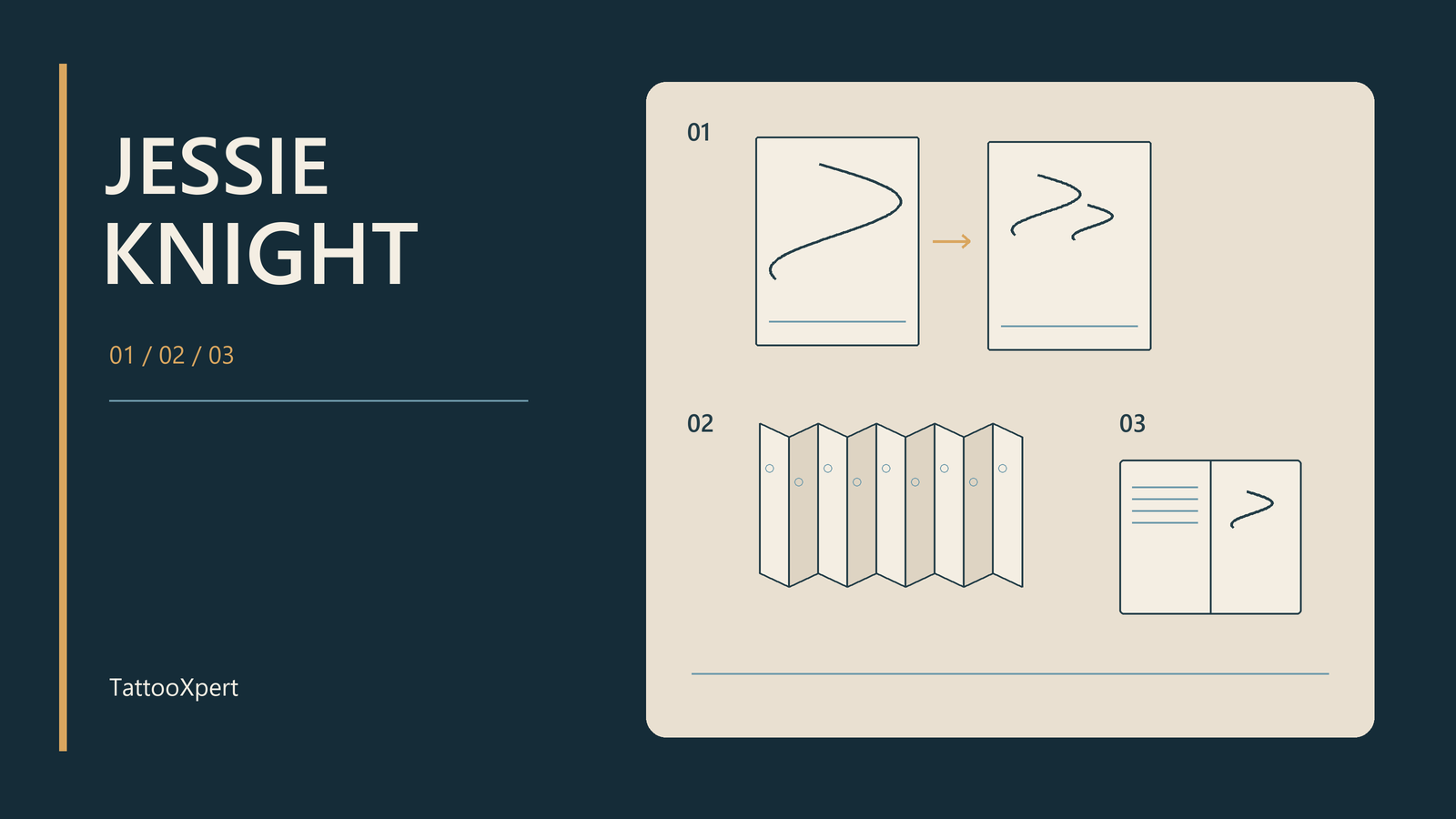
An artist’s working life survives in what they keep
What remains of a life in tattooing when we can no longer step inside the studio? For Jessie Knight, an archive lets us look beyond a famous photograph. Amgueddfa Cymru holds drawings, flash, machines and photographs relating to her work.
For an apprentice, its value starts with a different question: alongside asking who she was, how can we learn about her work? A sheet has a front and a back; a book carries an inscription; a museum gives an object a catalogue description. Together, these offer a way into the craft without filling gaps with an imagined biography.
One artist, several places of work
Museum documentation places Knight at her father’s shop in Barry, Wales, and later working in Chatham, Portsmouth and Aldershot. Her twentieth-century British career deserves attention for the work itself, as well as her place in accounts of women in tattooing. In 1955, a Scottish dancing tattoo earned her second place in an English tattoo competition.
We do not need to award her the title of first to explore that career. When studying a profession, a more useful question is which materials survive and what they support. Nor should every family recollection automatically become a proven fact. Making that distinction does not diminish an artist. It helps us see a working person in greater detail.
The back of the sheet matters too
Record F2021.21.448 describes Knight’s flash on card, including skulls, swallows and daggers, with rough drawings on the reverse. That other side invites a different reading from the attractive finished sheet we might save to an inspiration folder.
Try separating two questions as you study a piece: what does the front present, and what trials appear on the back? Do not assume every small drawing is a rejected version of a larger one; connecting them would require more evidence. The useful lesson is that a working surface may preserve decisions that disappear when an image is cropped for publication.
Nine panels, rather than nine isolated images
Another object, F2021.21.459, is a concertina flash folder made from nine sections joined with tape. Its format is part of the document. Selecting individual details would lose the physical relationship between those sections.
For a beginner, one useful question is how a sheet can offer several choices without every design competing with all the others. You can compare groups, spacing and changes of direction in a collection of your own drawings. The historical folder alone does not establish how Knight showed it to each client. It does remind us that designing work and presenting it are separate problems. The support is more than a background.
A transfer cannot tell the story of a whole session
The museum catalogues F2021.21.574 as a paper-and-ink tattoo transfer attributed to Knight, depicting a big cat and a snake. That is a different category of object from a photograph of a completed tattoo.
Pause there before making claims about technique. A surviving transfer does not prove it was used in a particular session, or tell us how all its maker’s work was executed. When studying historical images, first note what kind of object you are looking at. A proposed design, a tool and a result on skin answer different questions. Mixing them together can produce a convincing story that is nevertheless wrong.
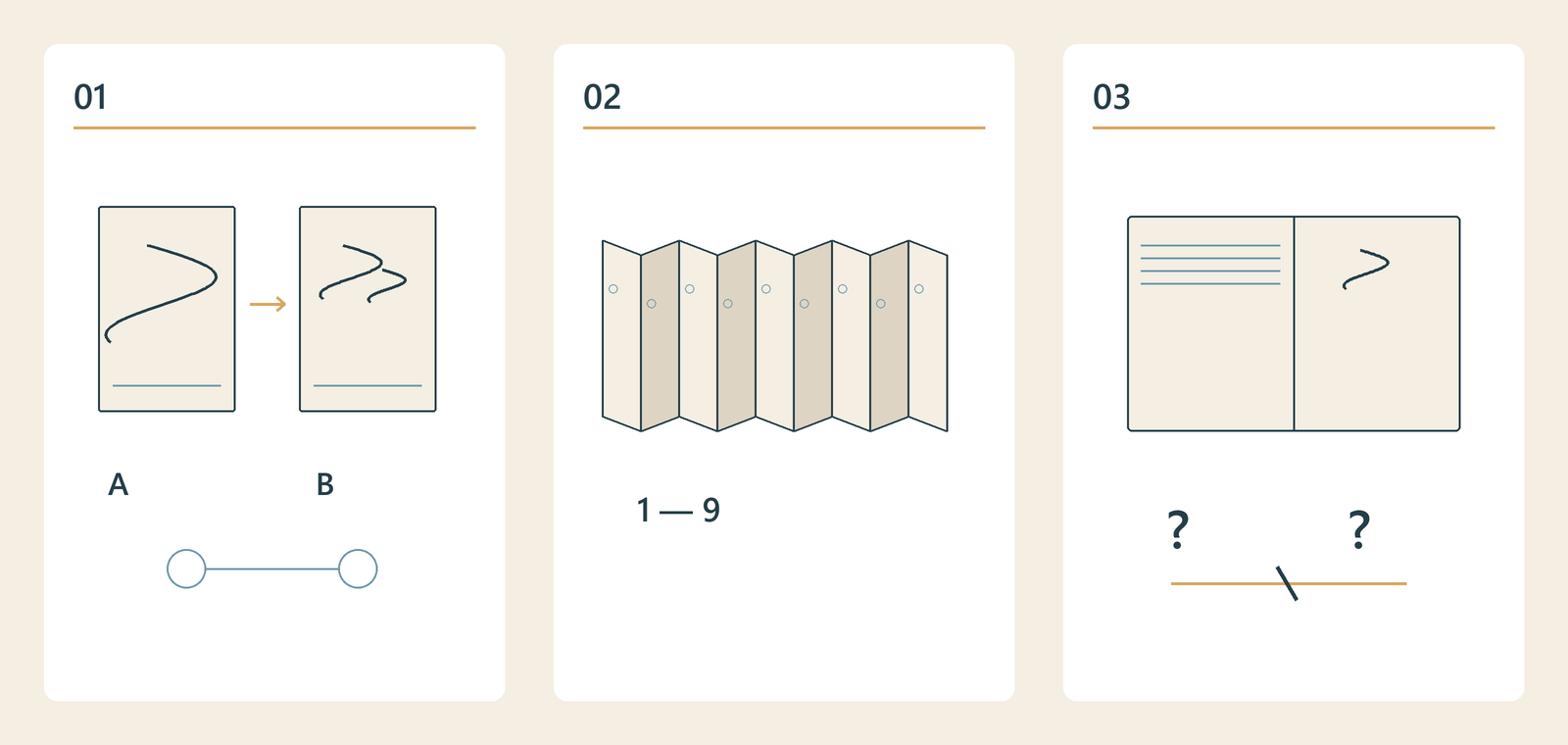
Three objects, three questions
A book can preserve a professional identity
An ownership inscription in The Poets Birthday Book, edited by Clarence Sinclair and published in 1907, identifies Miss J. Knight as a tattoo artist. The museum records it as F2021.21.466. This small detail adds a personal voice to the collection.
The publication date does not automatically date the inscription. The distinction matters for your own references too: an old card could acquire a note much later. Leave an unknown date open. Also distinguish owning an object from creating it. A person’s connection to an archive is not necessarily authorship of every item within it.
History also takes shape between colleagues
Manfred Kohrs’s presentation about Ruth and Hans Ullrich at BMXnet 2026 mentions Hans’s friendship with Jessie Knight. It is a specific lead for understanding her within a professional network, rather than as a completely isolated figure.
Friendship does not establish who taught whom a technique, or that a design travelled between two shops. Those claims would need particular documents. The question it opens is still interesting: what do professionals exchange, what do they put in writing, and what disappears when only finished work is kept? Exploring such connections broadens tattoo history without inventing conversations.
An archive-reading exercise to try today
Choose one of the records cited here and make a short note before drawing. The aim is to practise observation and attribution, rather than collect a ready-made tattoo design. If a compositional solution interests you, turn it into a question and explore it with a subject of your own.
Learn from references without copying other artists’ work
- Record the artist, institution and inventory number so you can return to the same object.
- Describe the support and what the catalogue states; put your interpretations on a separate line.
- Check for a reverse, multiple views or parts that a crop would leave out.
- Distinguish the date of creation, an annotation date and museum acquisition when these are documented.
- Choose a drawing question, such as organising several motifs, and keep your own dated experiments.
Keeping the process helps preserve the craft
The practical lesson is straightforward: keep more than the image that works best in your portfolio. A rough draft, a presentation trial and a note explaining a decision can help you review your development.
You do not need to build a personal museum or record everything. Start with a small, understandable folder. When you return to it, you should be able to distinguish what you made, what you learned from someone else and what remains uncertain. That care makes it possible to study a career without reducing it to a collection of disconnected pictures.
Sources and editorial notes
- Amgueddfa Cymru — Bethan Jones, Jessie Knight (1 November 2023)
- Amgueddfa Cymru — Jessie Knight project brief (2025)
- Amgueddfa Cymru — Tattoo flash F2021.21.448
- Amgueddfa Cymru — Tattoo flash F2021.21.459
- Amgueddfa Cymru — Tattoo transfer F2021.21.574
- Amgueddfa Cymru — Book F2021.21.466
- BMXnet 2026 — Manfred Kohrs, Ruth und Hans Ullrich
Manufacturer and organiser facts are linked above. Our selection and reading advice expresses TattooXpert’s editorial judgement.
Our editorial methodKEEP EXPLORING.
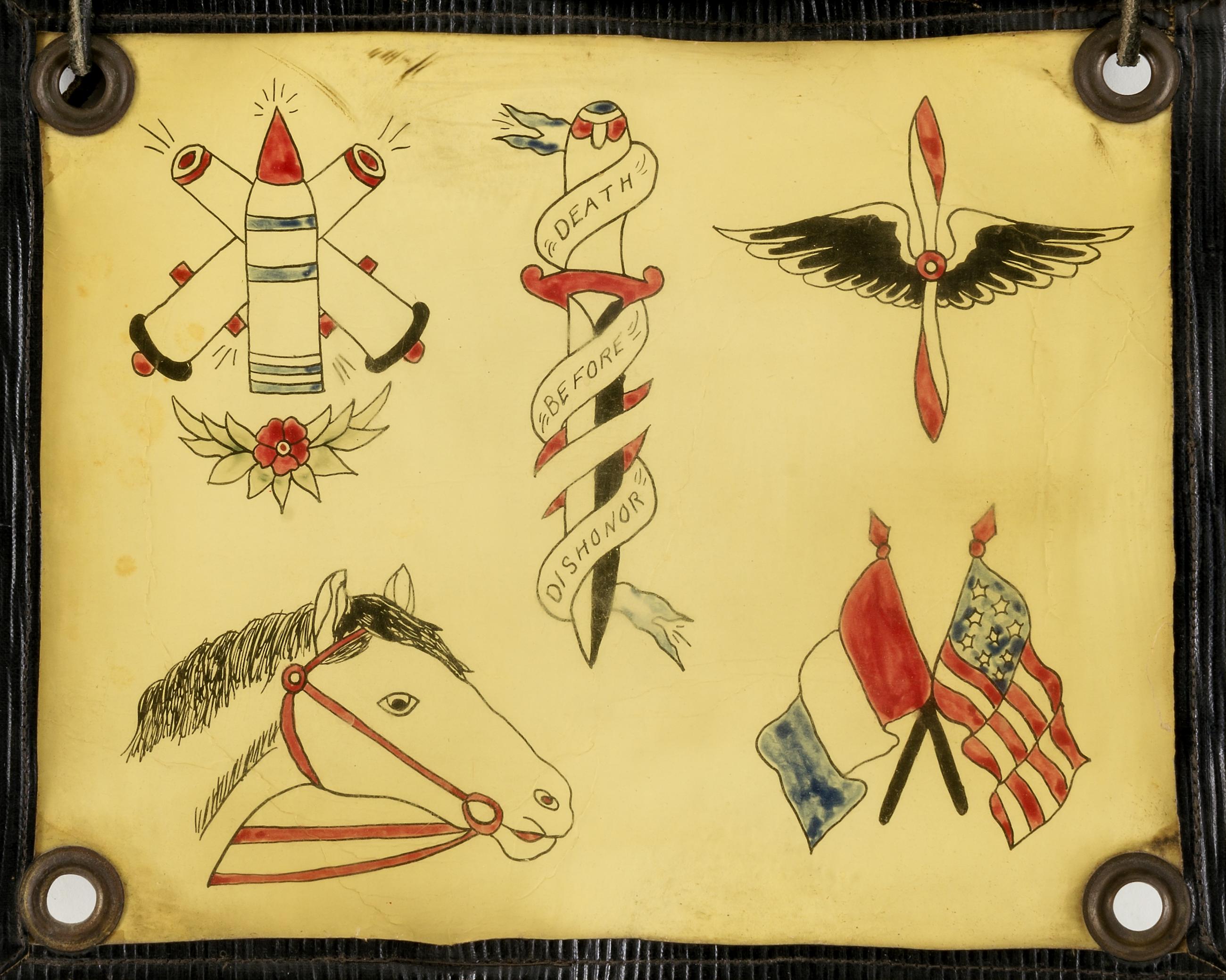
Tattoo flash history: when designs travelled by mail
Before saving designs to a phone, tattooers shared images through sheets and mail-order catalogues. Museum archives reveal how that exchange worked and what a historical sheet can teach a beginner.
TattooXpert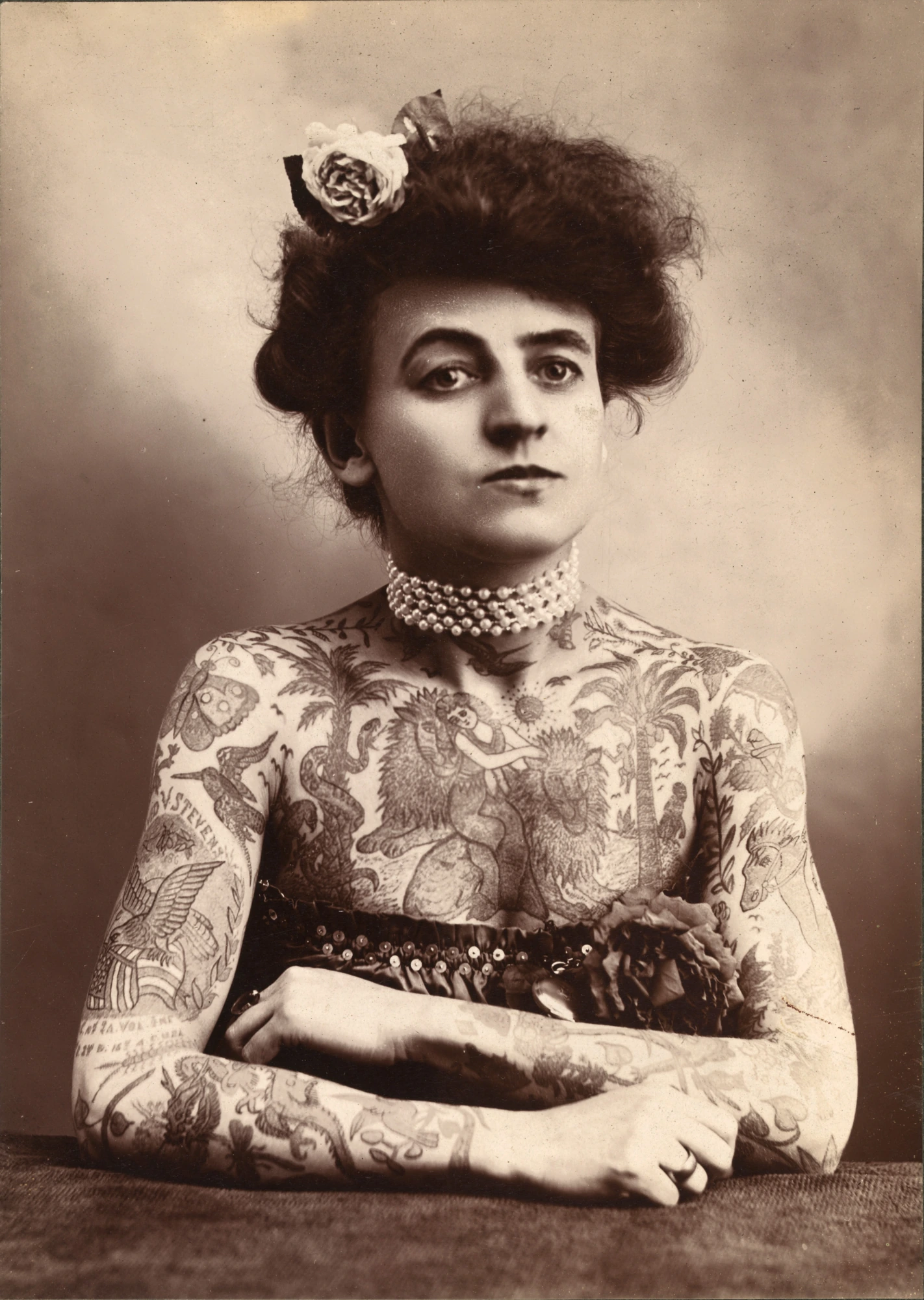
Maud Wagner, tattoo artist: the story beyond the portrait
Meet Maud Wagner beyond the portrait: her profession, historical sources and the questions a photograph cannot answer.
TattooXpert