
Tattoo machine voltage: why turning it up will not automatically fix a weak line
An uneven line does not tell you which setting is wrong. Separate voltage, frequency and observation with a paper exercise and better questions for your mentor.
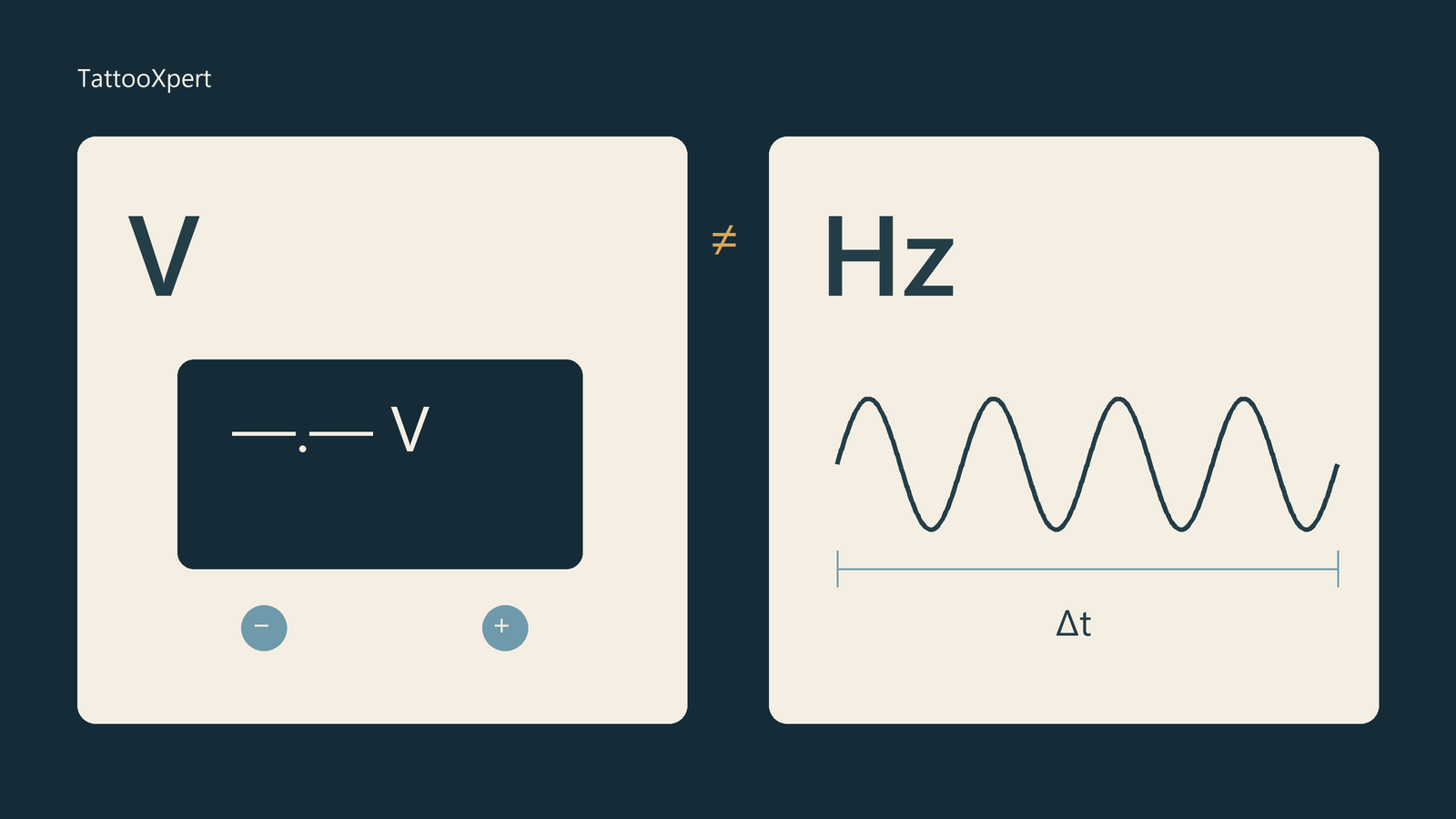
The line looks wrong. Should you add more volts?
You are reviewing a practice piece and notice an uneven line. The voltage increase button offers an immediate response, but you have not yet defined the problem. What does “weak” mean here? Is the line broken, does its width change, or does it simply look lighter in the photograph?
Turning up the voltage is not a universal correction. Before choosing a change, separate the equipment reading, your observation and your proposed explanation. This guide helps you prepare that conversation during an apprenticeship: understand a number, describe a practice sample and recognise missing information. It does not provide settings for working on people or identify a cause from a photograph.
V, Hz and W answer different questions
In the International System of Units, V denotes electrical potential difference, Hz frequency and W power. One hertz means one cycle per second. NIST lists these as separate quantities.
A useful habit is to write the quantity beside the number instead of recording only “more” or “less”. If your note says “increased power” but the only recorded value is in volts, make the description more precise. Writing “more depth” beside that change adds another conclusion that the reading does not establish. The cover diagram separates voltage from repetition visually; it is not a measurement taken from a particular tattoo machine.
First establish what your display shows
The Cheyenne Power Unit II manual identifies its numerical indication as output voltage in volts. That describes this particular unit; it does not make every display a frequency meter.
Find your model’s manual and record the unit, the selected mode and the purpose of each control. Leave a question mark beside an unfamiliar option until you understand it, rather than giving it a guessed meaning. When consulting your mentor, a display photograph with the model and mode is more informative than a number alone. Keep the manual reference as well: an explanation may apply to a different version of the same product.
Matching numbers do not make two setups equivalent
FK Irons explains that motors, controls and mechanics can respond differently at the same voltage; the cartridge assembly also contributes load. This is manufacturer information, not our own comparative test.
Imagine two lesson notes showing the same number. One leaves out the machine; the other leaves out the cartridge. You cannot reconstruct the comparison. Blaming the difference on price, size or a supposedly “harder hit” would fill those gaps with assumptions. The useful next step is to identify the missing equipment and consult the relevant compatibility documentation. Buying another machine would not resolve an explanation you have not yet established.
Timing and travel: an exercise without a machine
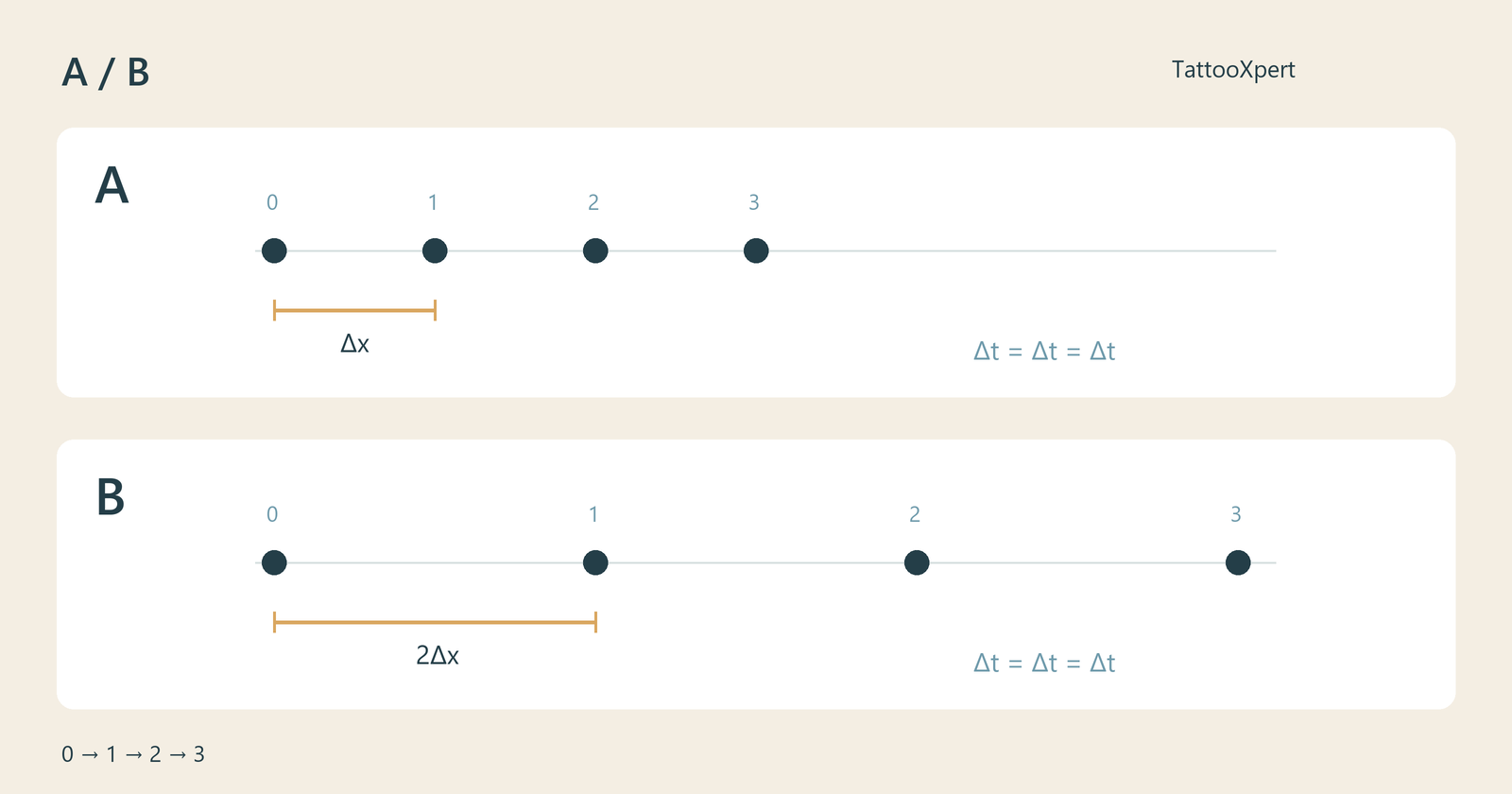
Why a number copied from a video is incomplete
Suppose you save a video because you admire the clarity of the work and record only the display reading. Days later, you try to reproduce it. What you have is a snapshot, not an explanation of the artist’s decisions.
A more useful reference note would separate visible details from unknowns: an identifiable model, a legible unit, the task shown, the length of the clip and anything you cannot confirm. If the video is edited, do not invent what happened off camera. If the cartridge is hidden, say so. Your question for a mentor can then change from “Should I use the same number?” to “What else would we need to understand that choice?”. The second question opens a technical discussion.
Describe the line before explaining its cause
When reviewing practice, choose words another person can check. “It lacks power” combines an impression with a hypothesis. “There is a gap at the start and the width changes around the curve” identifies something you can show.
Make the note before altering the sample or selecting only the best photograph. Keep an overall view and a detail under comparable lighting; do not boost contrast to make the image support your conclusion. A wandering line and a faint-looking line raise different questions. Keep that distinction in your practice notebook too, rather than grouping everything under a single label.
- Location: the beginning, middle section, curve or end.
- Observation: continuity, width, path or apparent contrast.
- What you know about the setup and which details are missing.
- The specific question you want to discuss with your mentor.
Make a comparison you can learn from
These examples suggest ways to organise learning; they are not experimental results. A comparison becomes less useful when several things change and you attribute everything to just one of them. On practice material, agree the exercise and its limits with your mentor. Keeping a record does not turn the sample into a prediction about human skin.
| What to check | Incomplete note | Note you can review |
|---|---|---|
| Identification | “The same setup.” | Model, unit, mode and exact cartridge reference. |
| Change | “It works better now.” | What changed and what stayed constant; record multiple changes explicitly. |
| Outcome | Only the selected sample. | The whole series, a specific observation and outstanding questions. |
When to stop looking for a setting to solve it
If you suspect a malfunction, separate that enquiry from the drawing review. Our recommendation is to stop using the suspect equipment and follow the manufacturer’s troubleshooting procedure or consult its service team. A discussion about voltage cannot replace repair or justify opening the device.
Questions about a person or their skin’s response are likewise outside this exercise. Do not use an online settings chart to resolve them or keep working an area to test a hypothesis. Supervised training and the appropriate professional assessment have roles that a diagram cannot fulfil. Knowing which question belongs with which person is part of preparing a useful discussion.
Ask a better question than “How much higher?”
Bring a preserved sample, a precise description and the equipment identification to your next review. Ask which explanation is being considered and what observation would distinguish it from another. Learning to justify a decision is more valuable than collecting numbers without context. Next, separate stroke from depth, review support when drawing lines and understand the limits of practice skin.
Stroke, needle hang and depth: three different measurements
Sources and editorial notes
- NIST — SI units, chapter 4
- Cheyenne — Power Unit II operating instructions
- FK Irons — Understanding machine power
- FK Irons — Machine speed and hand speed
Manufacturer and organiser facts are linked above. Our selection and reading advice expresses TattooXpert’s editorial judgement.
Our editorial methodKEEP EXPLORING.
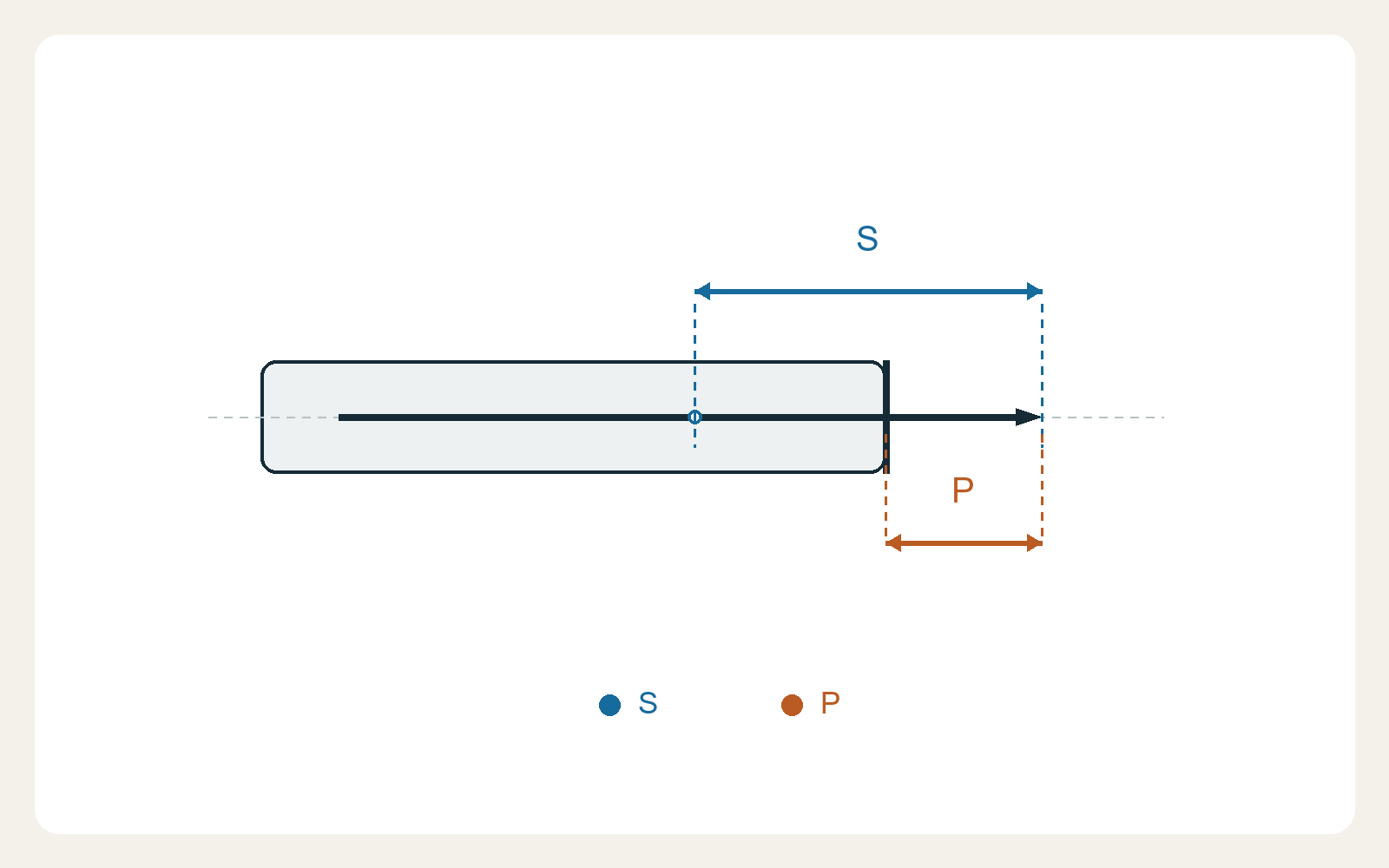
Tattoo stroke, needle hang and depth: three measurements to keep separate
Machine travel, the needle tip outside a cartridge and penetration into skin use different reference points. Here is how to read them without turning a specification into a depth prescription.
TattooXpert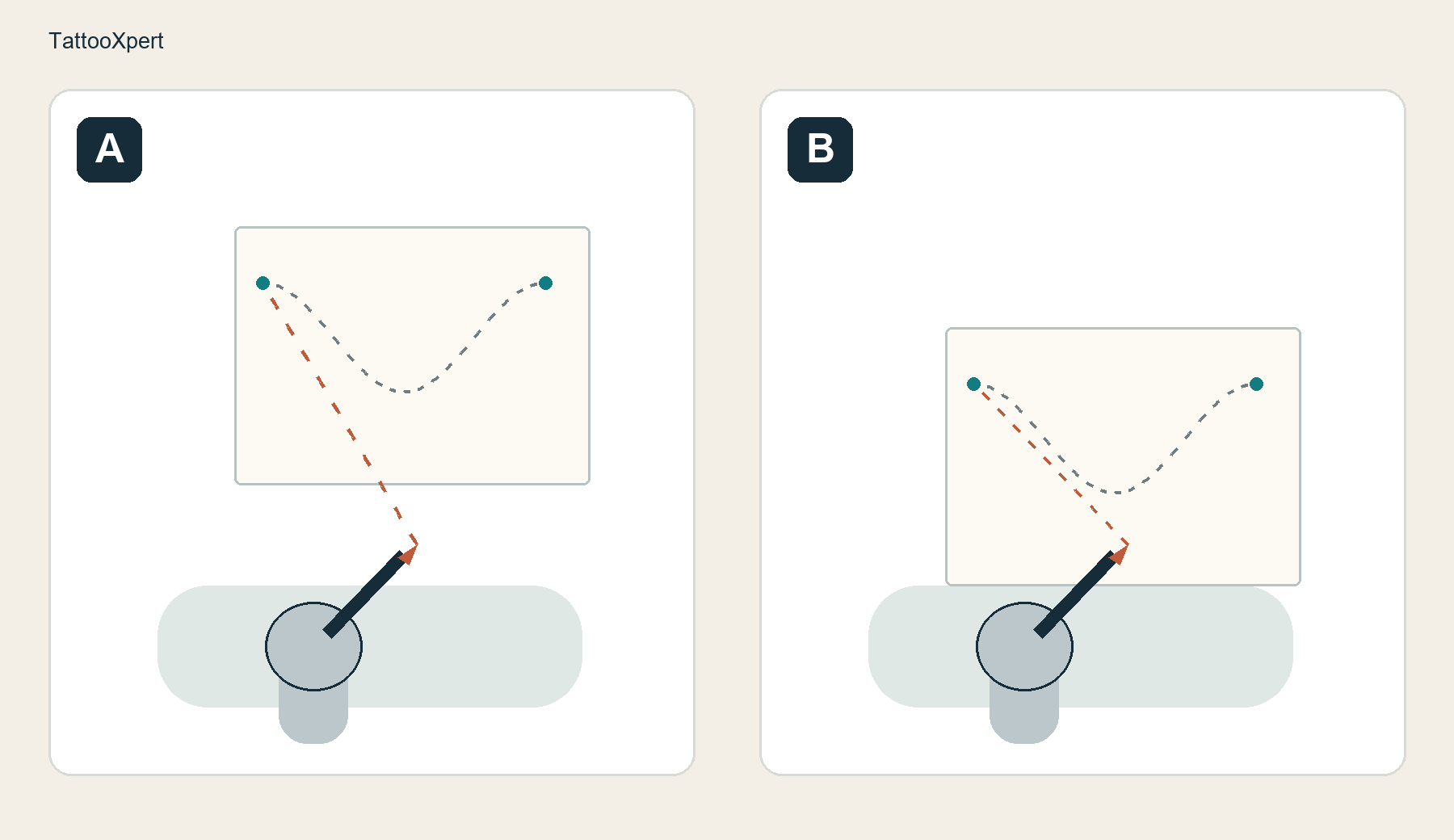
Shaky tattoo lines: check support and visibility before blaming the machine
An uneven line does not reveal its cause on its own. Learn to review support, reach and visibility, then bring a specific observation to your mentor before changing equipment.
TattooXpert