
Dragons on paper: the prints that help explain Japanese tattooing
From Water Margin heroes to kabuki actors: two Kunisada prints offer cultural context for Japanese tattooing and a practical lesson in drawing around the body.
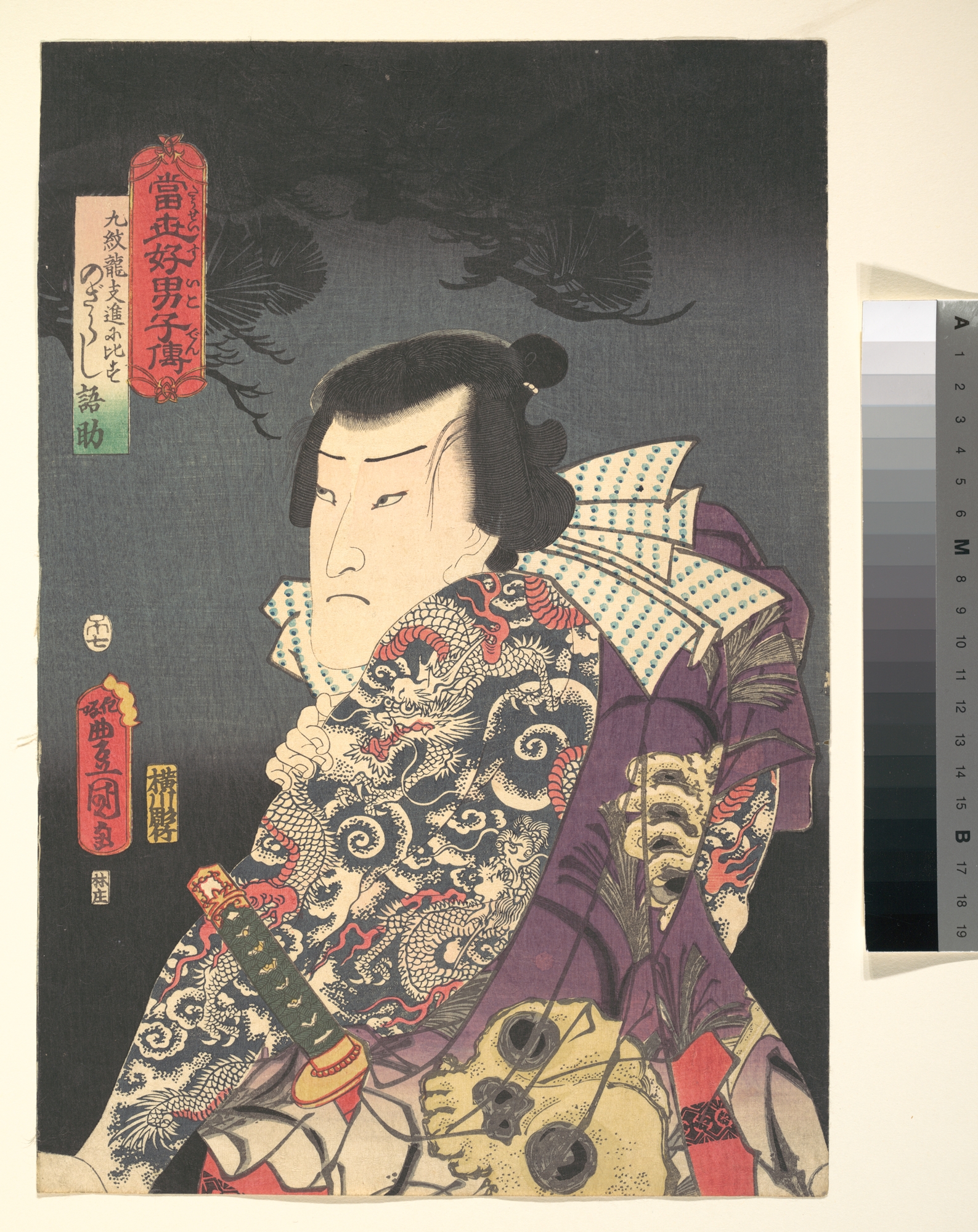
A dragon can be more than a motif
You see an arm covered in dragons and immediately want to draw one. That is an understandable reaction. But pause over the cover image: what makes those dragons seem to belong to the arm, rather than simply sit on top of it? The answer begins with the shoulder, follows the elbow and changes with each turn of the figure.
For someone learning to draw for tattoos, a print can offer a lesson in composition. It is also a cultural document. Both deserve attention: how the image works and the story it tells.
Suikoden: a Chinese story with another life in Japan
Boston's Museum of Fine Arts places ukiyo-e prints among the sources that inspired tattoo artists in nineteenth-century Edo. It highlights Kuniyoshi's series of the 108 heroes of Suikoden, the Japanese adaptation of the Chinese story known in English as Water Margin, made around 1827–1830. Its heroes are outlaws who confront corrupt officials; some are depicted with extensive tattoos.
The museum reports that oral traditions among contemporary tattoo artists credit these images with encouraging a new fashion for extensive pictorial tattoos. That is a specific historical attribution. It does not mean Kuniyoshi invented Japanese tattooing, or that all its traditions began with a single series.
Kuniyoshi and Kunisada: two names worth keeping separate
The two works accompanying this article are by Kunisada, not Kuniyoshi. The Met dates them to 1854 and identifies them as sheets from a triptych called A Modern Water Margin. They depict kabuki actors playing characters who are likened to heroes from the Chinese story.
In the cover image, Ichikawa Ichizō III plays Nozarashi Gosuke, associated with Shi Jin the Nine Dragoned. In the centre sheet, Nakamura Fukusuke I plays Asahina Tōbei, linked to Lu Zhishen the Tattooed Priest. Literature, theatre and representations of the body meet in these images. They are not photographs of tattoo studio clients.
A different pose changes the route through the picture
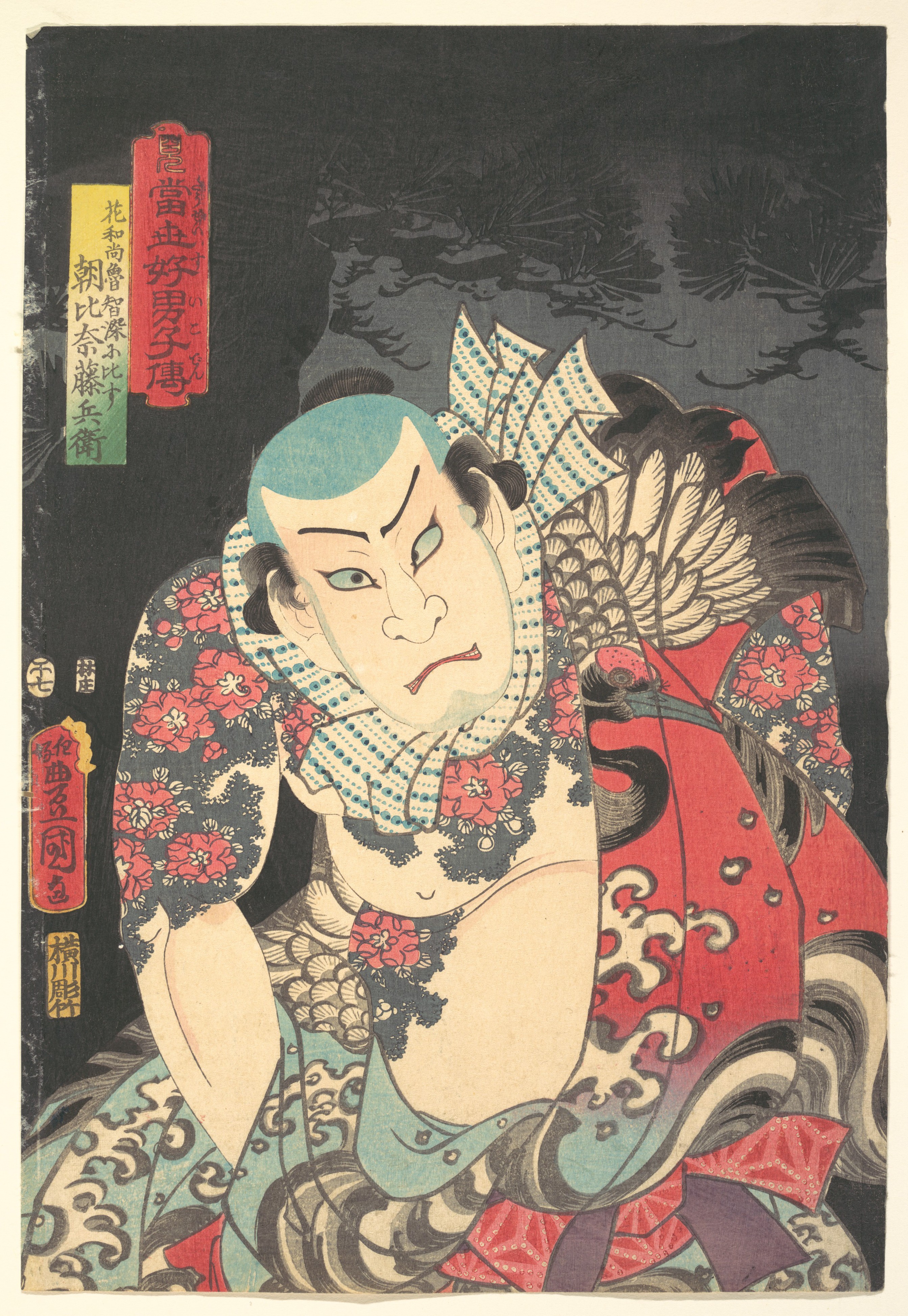
What you can study without copying the dragon
In the cover image, follow the outside curve of the arm with your eye. Next, find the dragon's head and look at the dark areas surrounding it. Our reading is that the relationship between a leading shape and a field of smaller details helps sustain a visual route, even across a densely patterned surface.
Now compare the two prints: one figure turns away; the other leans forward. The body changes and the composition responds. When starting out, studying that adjustment is more useful than collecting ten isolated motifs and hoping they will fit together.
A paper exercise for your next drawing session
There is no need to turn the print into a template. Use it to identify a problem, then solve it with shapes of your own.
- Draw two simple arm silhouettes: one straight and one bent.
- Mark a main direction with a curved line and place a large shape along it.
- Add two or three smaller shapes. Check whether they support that direction or compete with it.
- Step back from the page. If everything has equal weight, simplify one area before adding more detail.
Context belongs in the learning process too
Knowing that a figure represents a particular character changes the questions you ask. Instead of searching for a universal meaning for every dragon, you can investigate who is depicted, what story connects that figure to the motif and how the artist interpreted it.
Save the artist's name, date and museum record alongside the image. When you return, you will have more than an attractive reference: you will have a route into further research. Your next drawing does not need to resemble a nineteenth-century print. It can begin with a smaller, useful lesson: think first about the body that organises the image.
Sources and editorial notes
- Museum of Fine Arts, Boston · Tattoos in Japanese Prints
- The Met · Kunisada, Nozarashi Gosuke / Shi Jin · JP3359
- The Met · Kunisada, Asahina Tobei / Lu Zhishen · JP3360
- The Met · Open Access policy / CC0
Manufacturer and organiser facts are linked above. Our selection and reading advice expresses TattooXpert’s editorial judgement.
Our editorial methodKEEP EXPLORING.
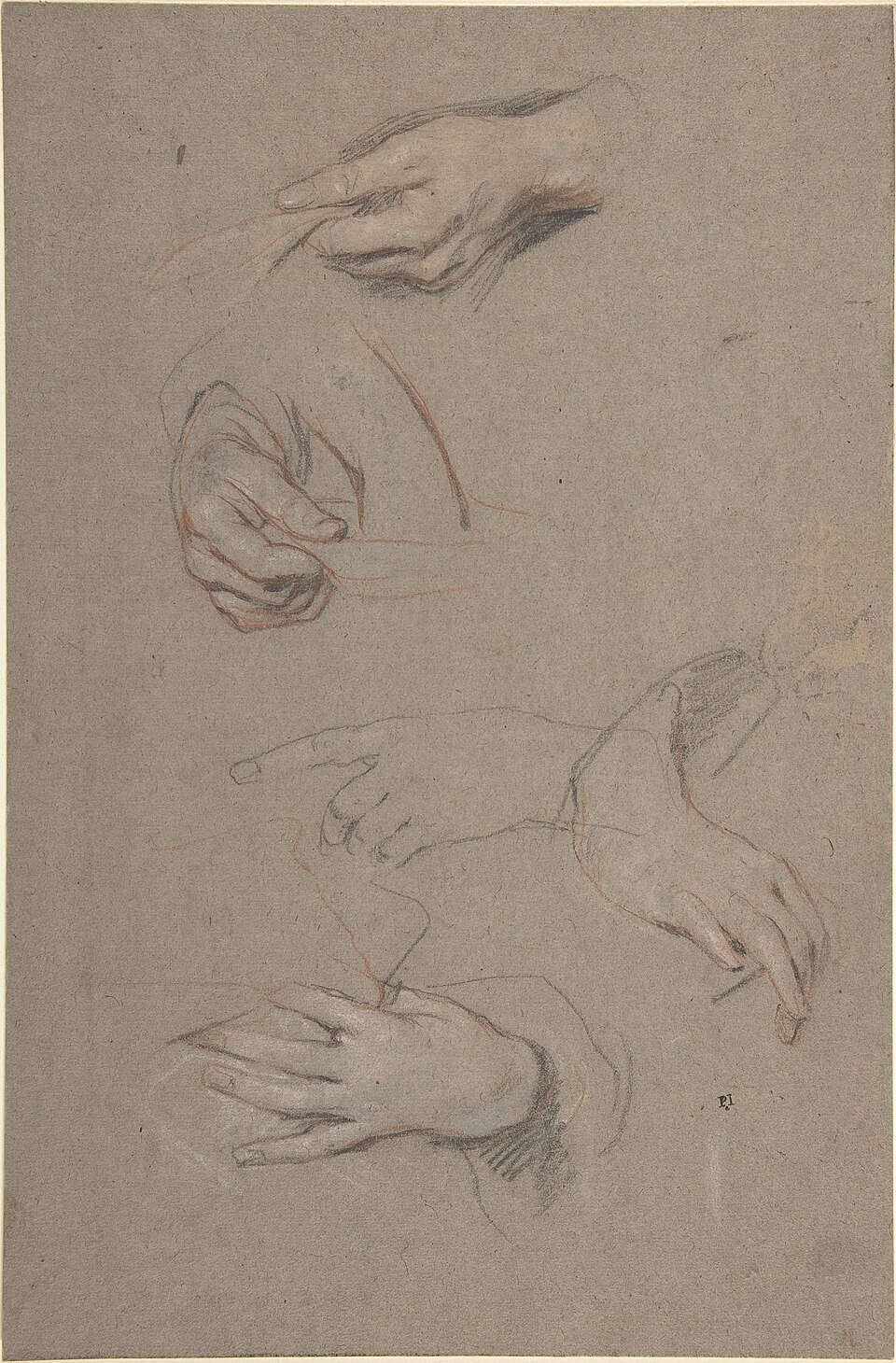
Your first tattoo apprenticeship portfolio: what to show while you are still learning
Choose your drawings, show their development and prepare a clear introduction to a studio. A beginner's guide without inflated experience or pages added just to fill space.
TattoXpert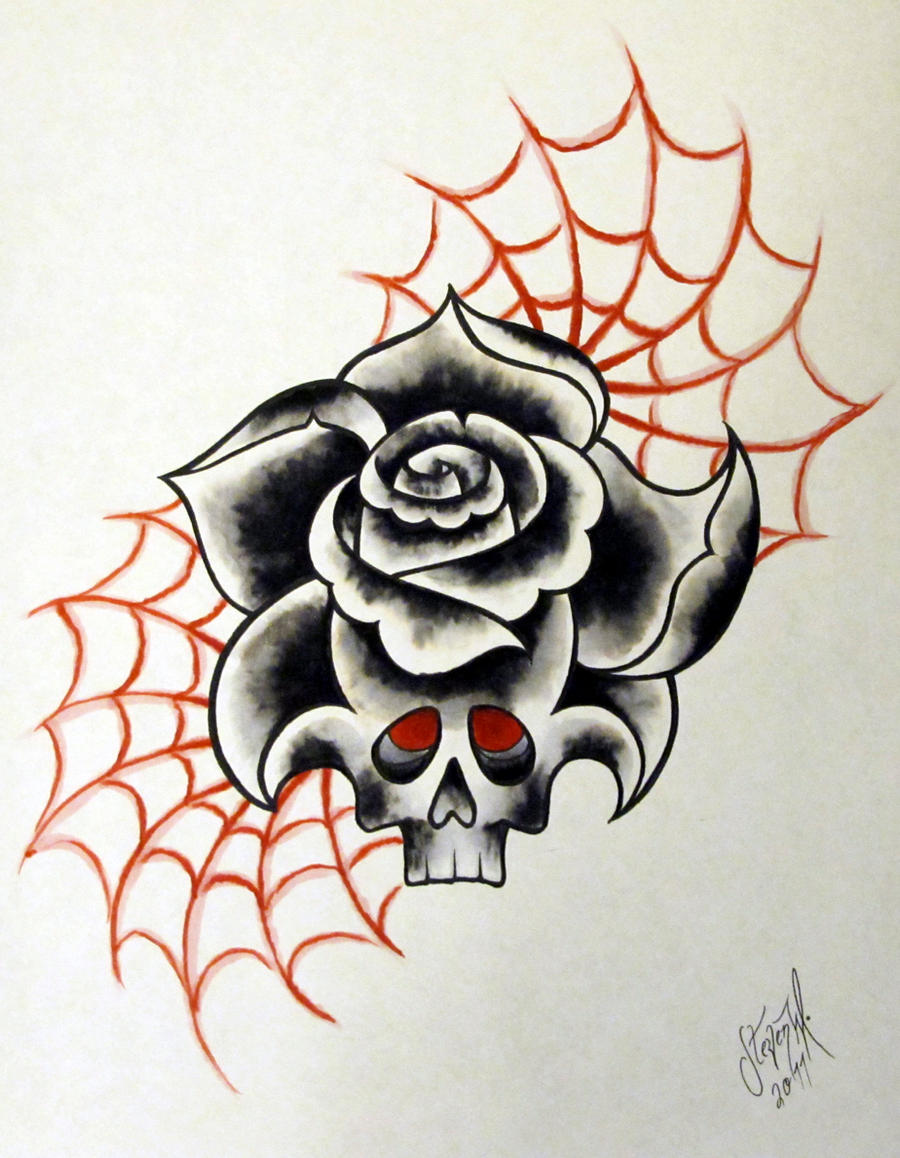
Neotraditional tattooing: beyond pretty flowers and bold colour
Learning to draw neotraditional designs starts with more than choosing a subject. Explore its influences, study real artwork and try an exercise in line, hierarchy and colour.
TattoXpert